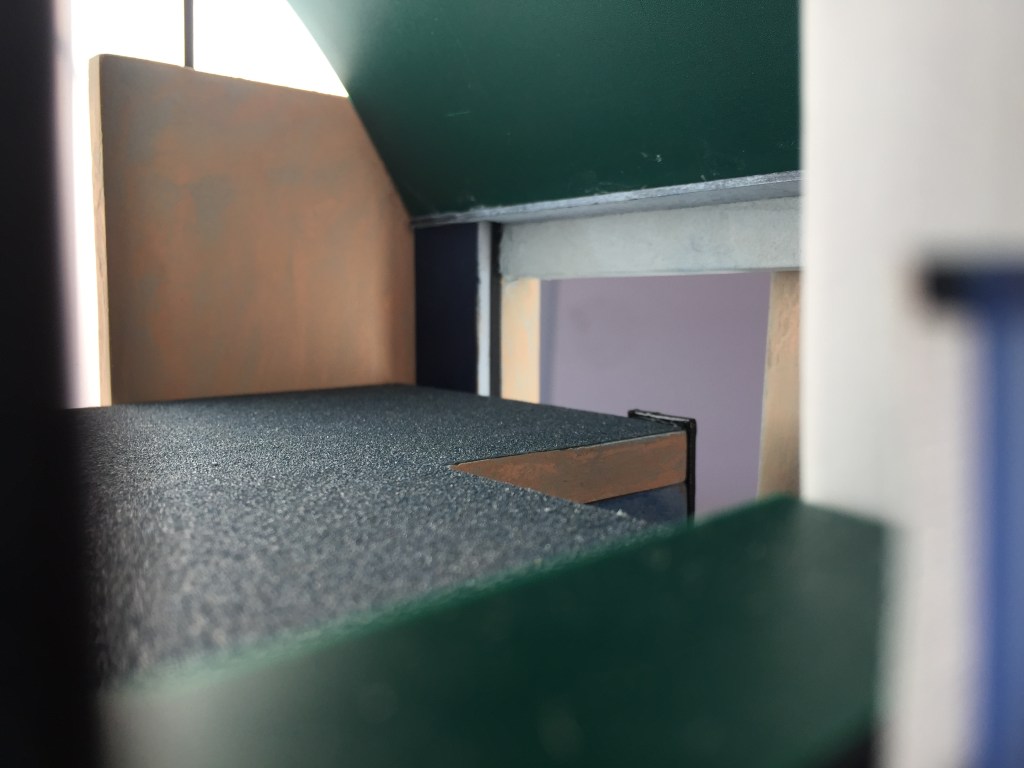
A reaction against the automatic and assumed. Promoting active architectural relationships – opportunities to find desire.
For my thesis at KTH I used inspiration from various theories about perception when developing a method in order to form proposals for architectural fragments that were not coded with the signs that usually “help us” read spaces, thereby providing an opportunity for inhabitants to create their own relationship to the space; according to their own desires. As a way to “decode” I used materials, shapes and proportions in unconventional ways – kind of scrambling the instructions – the opposite of SIS – removing the legibility, asking the user to become more active.
This idea arose from an irritation about the inscribed assumptions about how we should lead our lives around architecture. A conviction that architecture is a stage for life and that as such, we as the creators of these stages have a responsibility to provide more options.
The project also works with the importance of recognizing how the feelings we get from spaces affect us as much as the functions proposed – and spaces affect people differently: therefore many types of spaces should be provided in order to meet diverse needs?
Spaces are not neutral, but a representation of opinion – consciously or not. We have a learned way to interact with materials and proportions and read our environment for cues.
Who is architecture for? People have different needs and wants. Can a new method help develop a more active relationship for creating and inhabiting space, disturbing routine and subconscious assumptions?
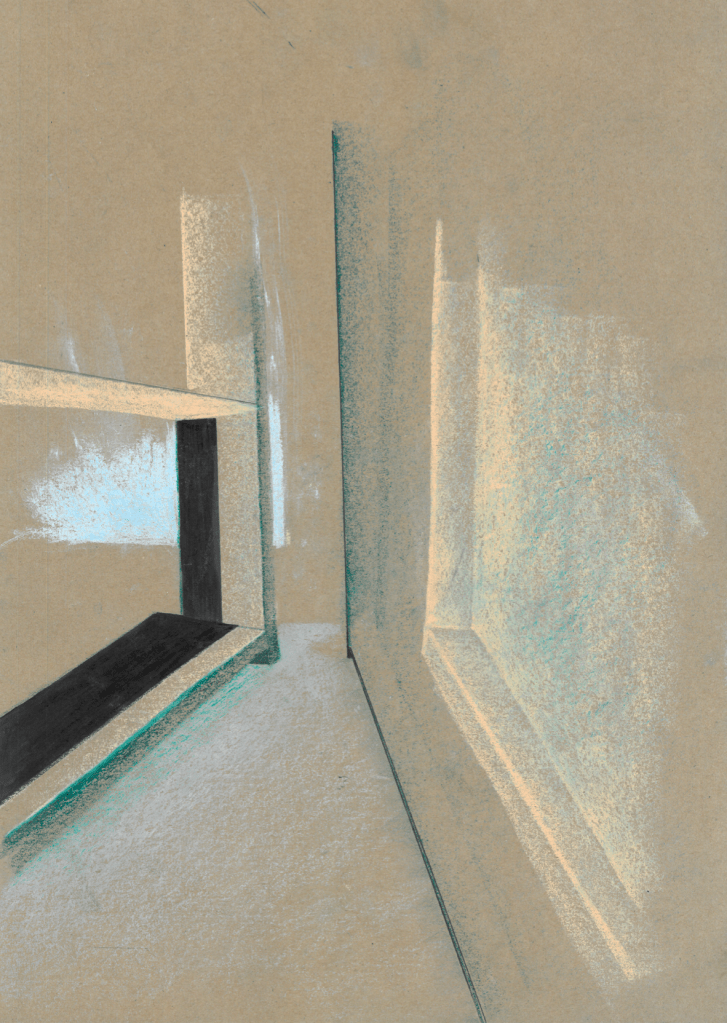
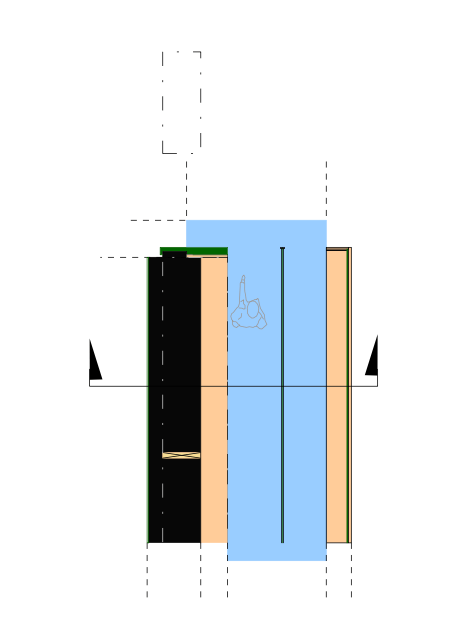
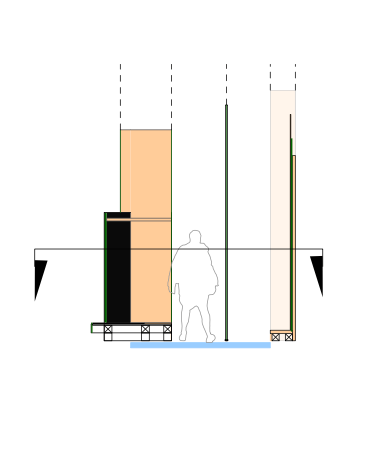
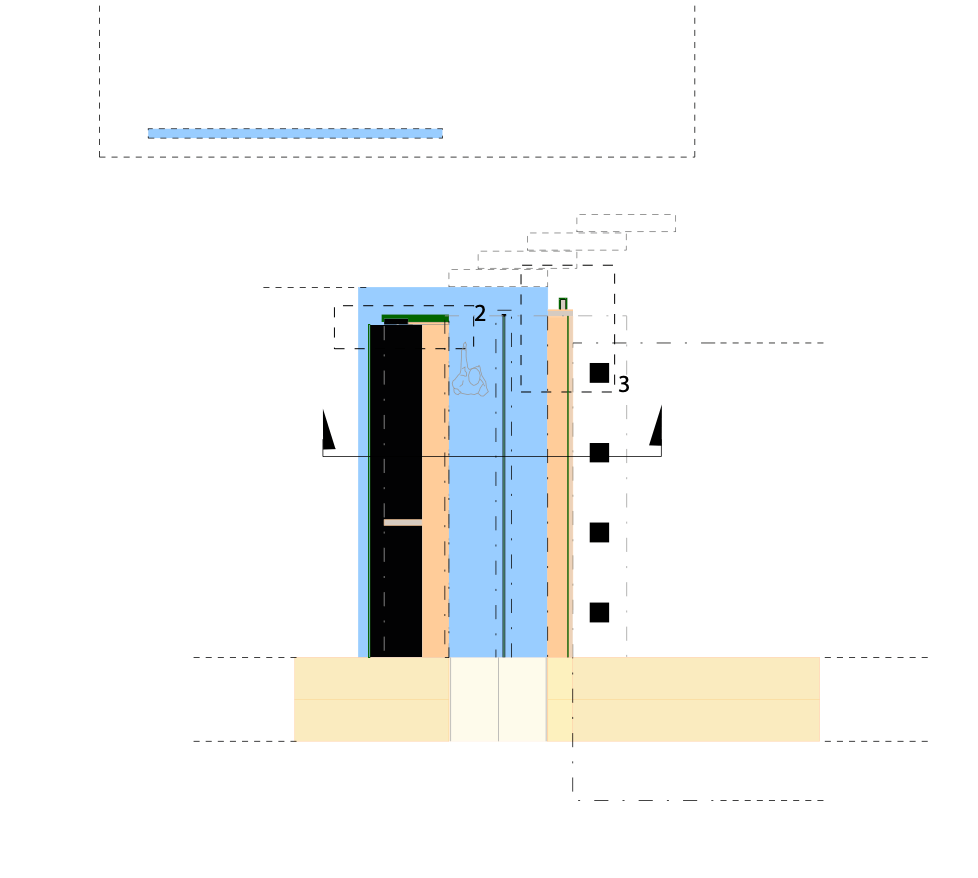
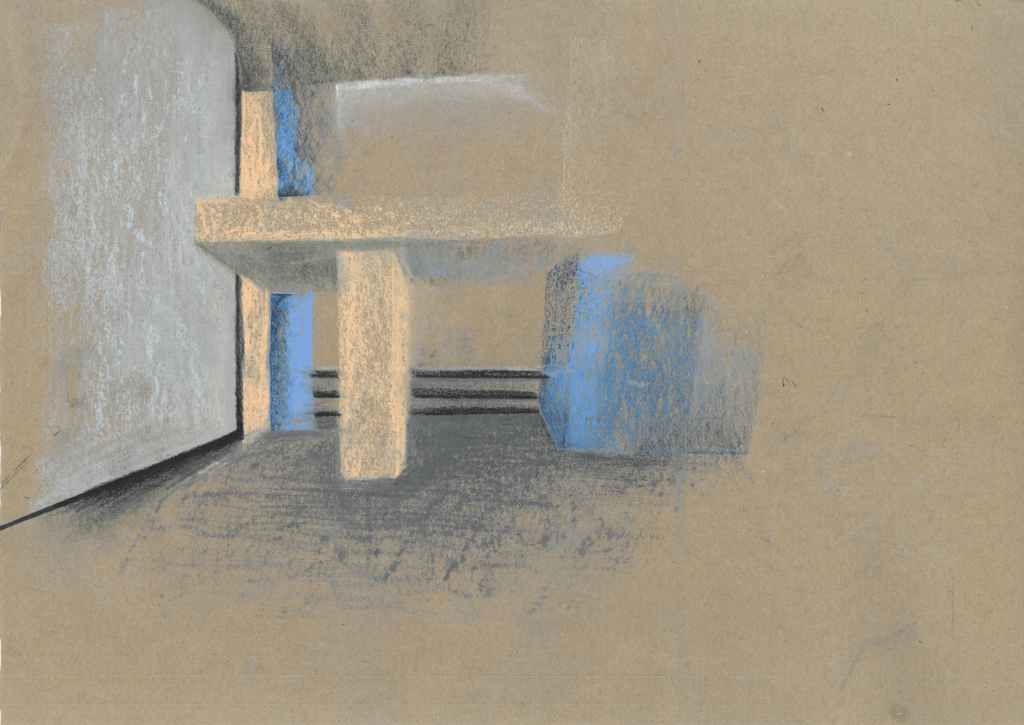
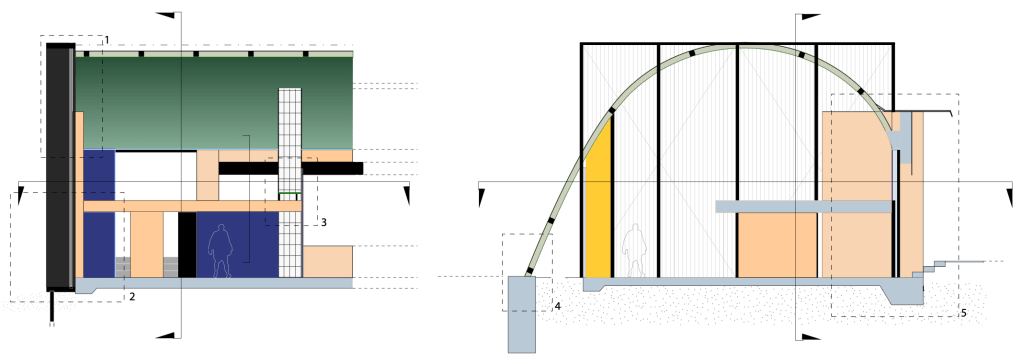
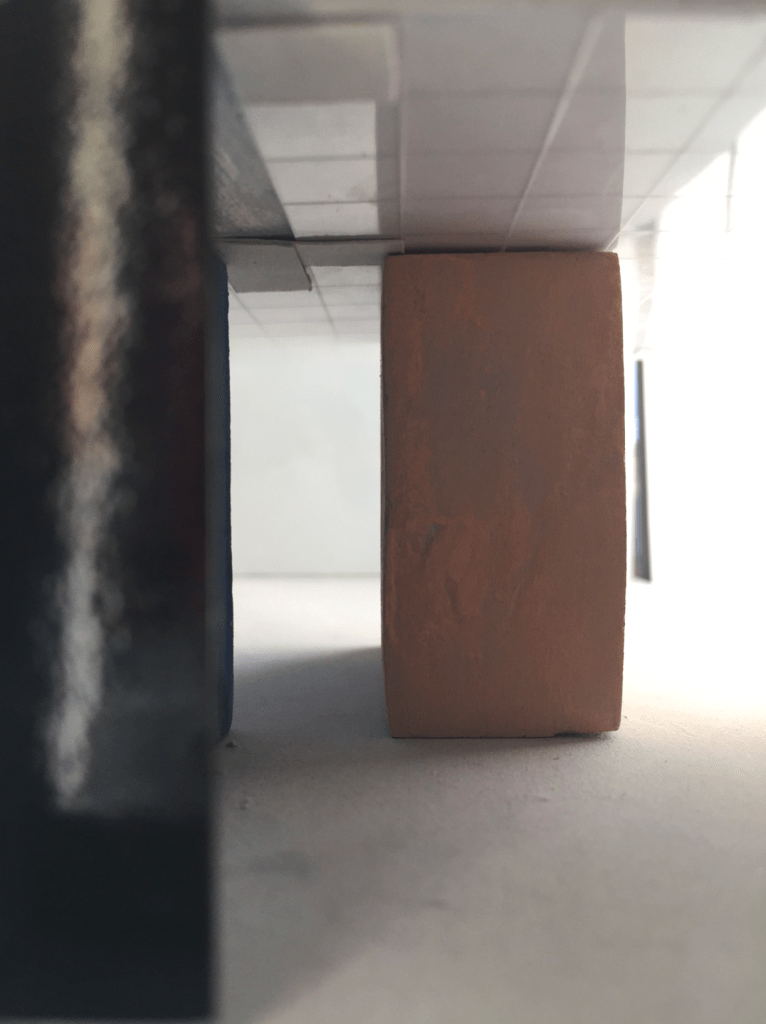
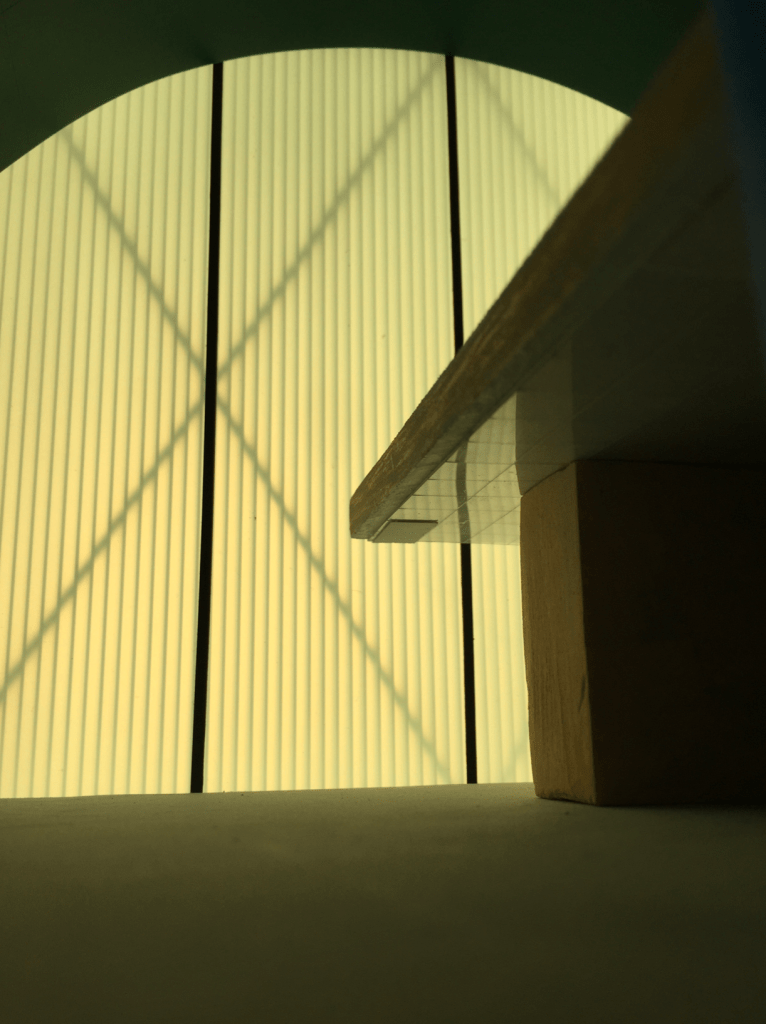
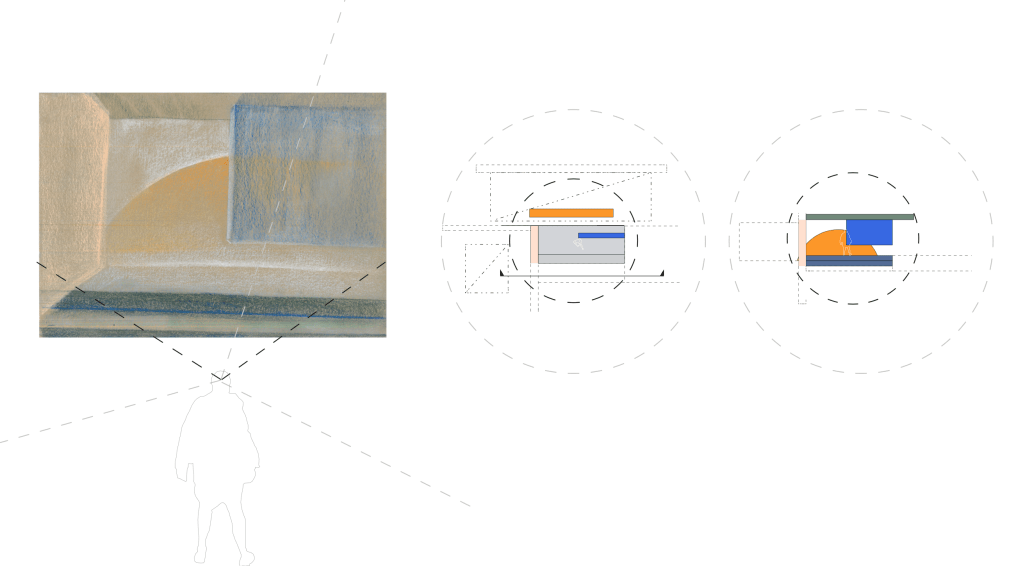
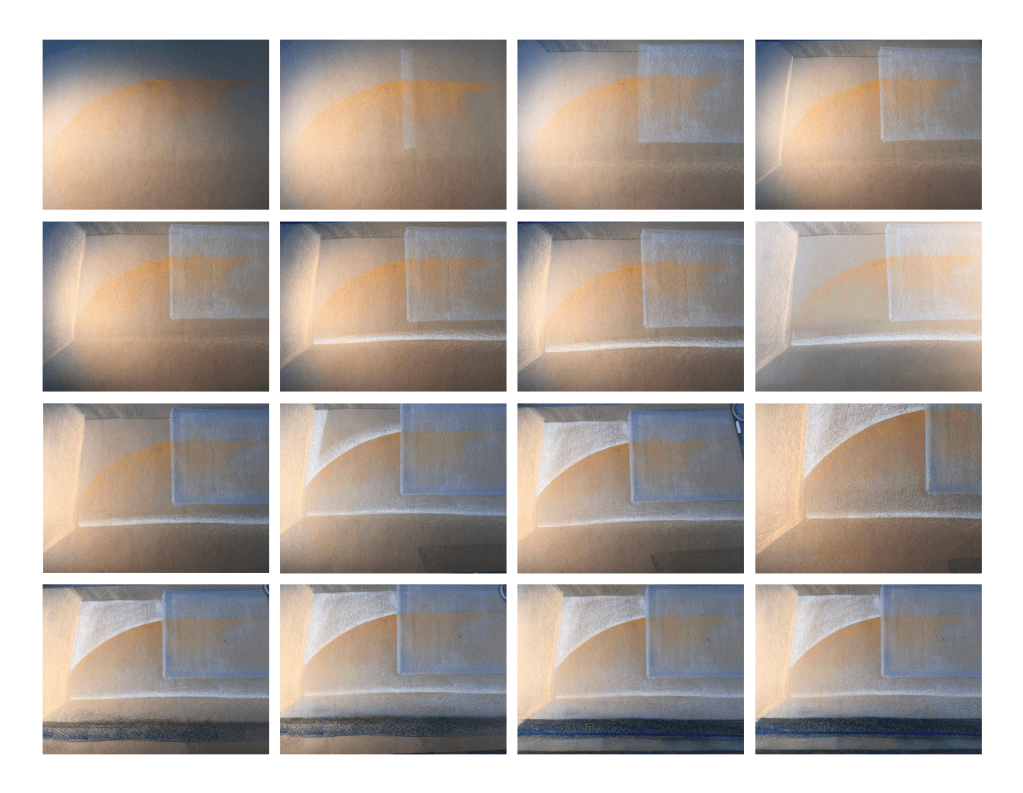
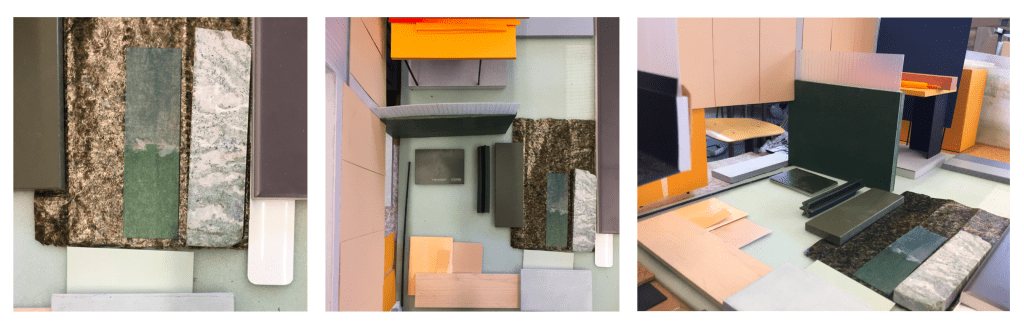
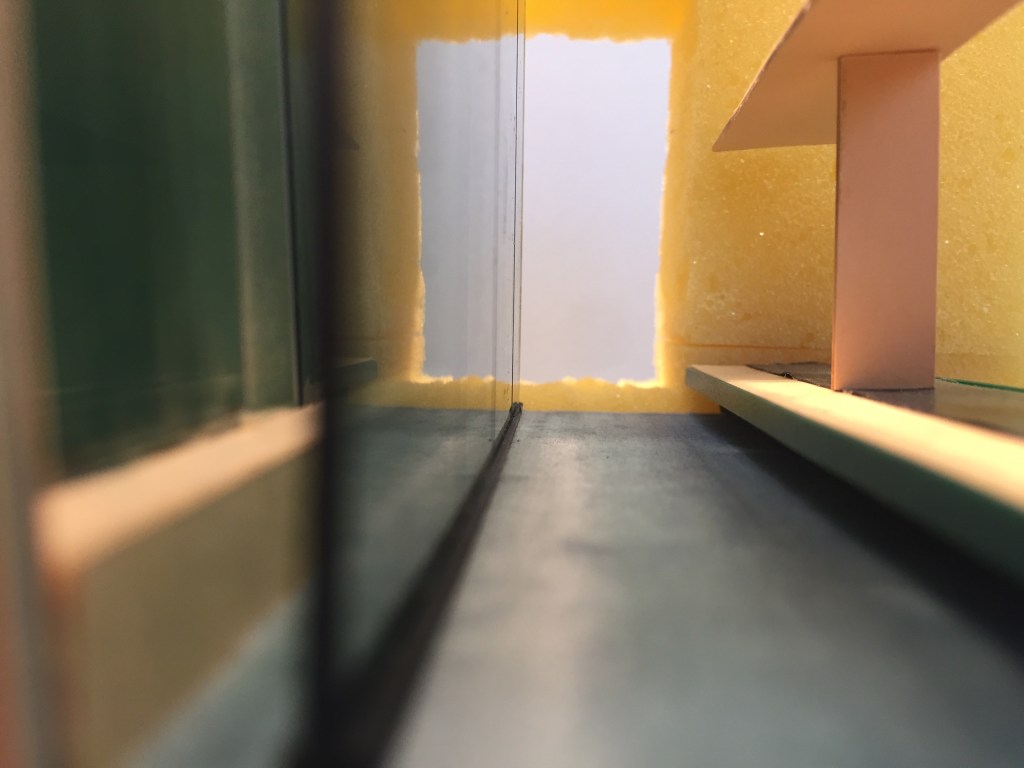
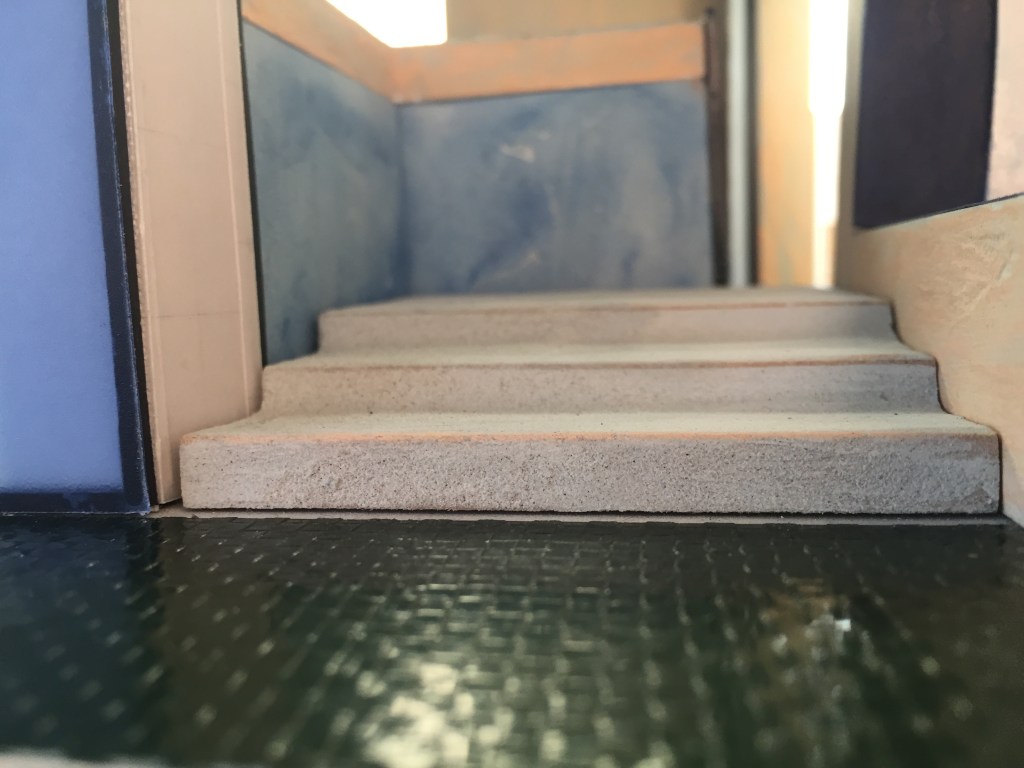
The method, based on a mash-up of theories about perception, consisted of interpreting a 2d-sketch into 2d drawings, and then translating these into models where materials were used to further de-code assumptions about how the spaces should be used. Detailed drawings were made based on questions the models posed.
1
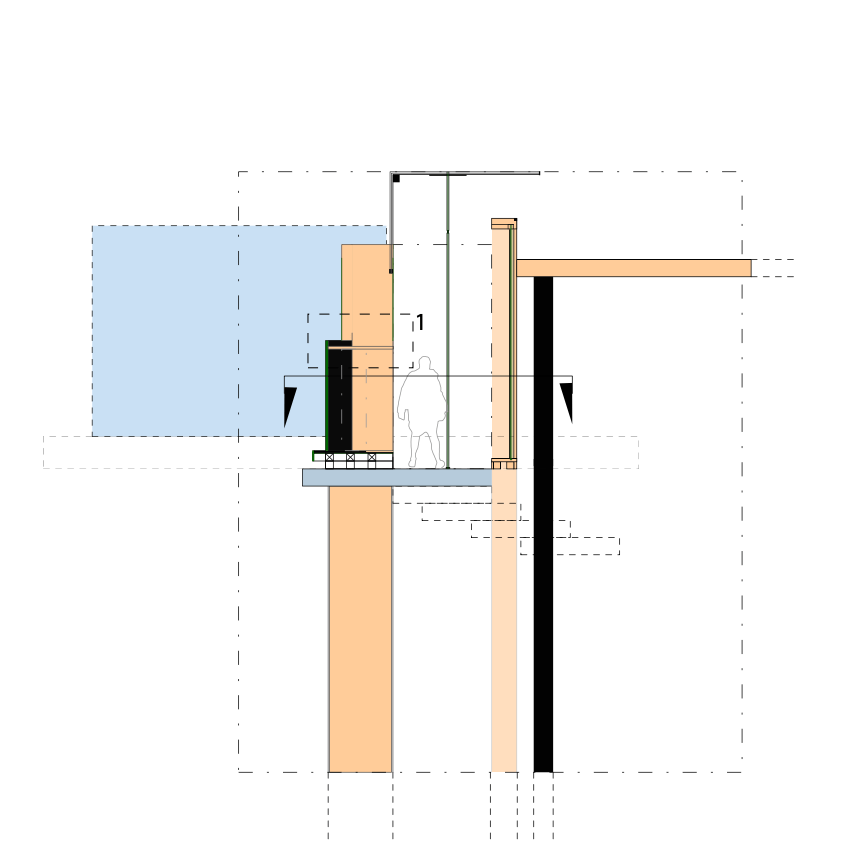
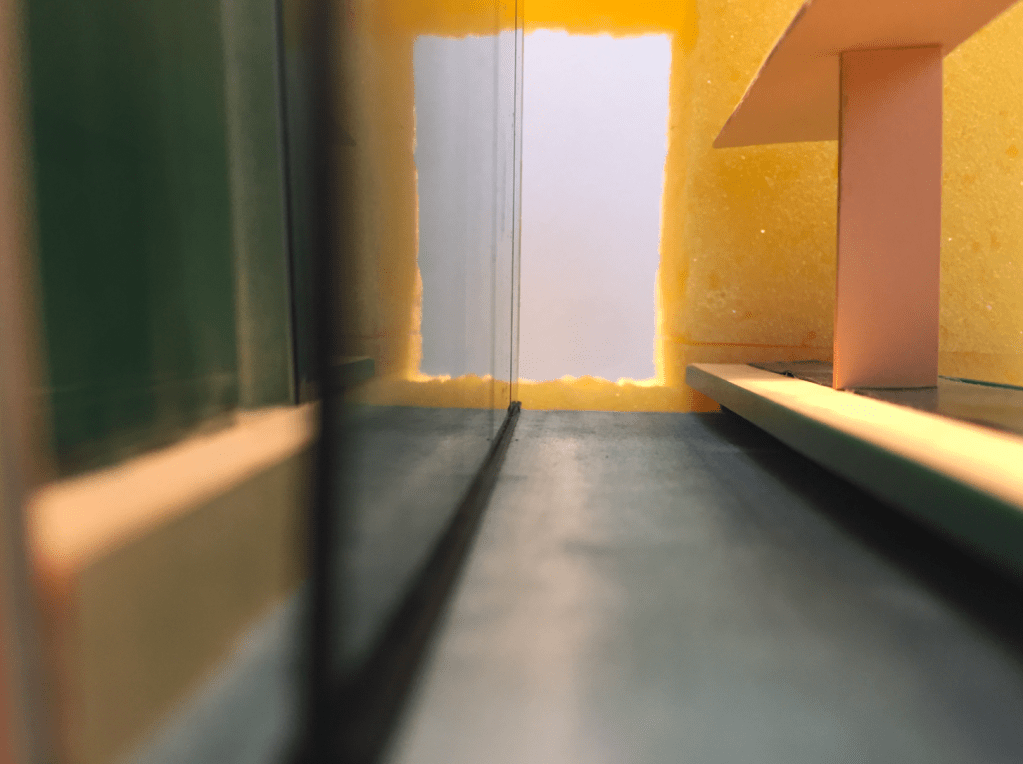

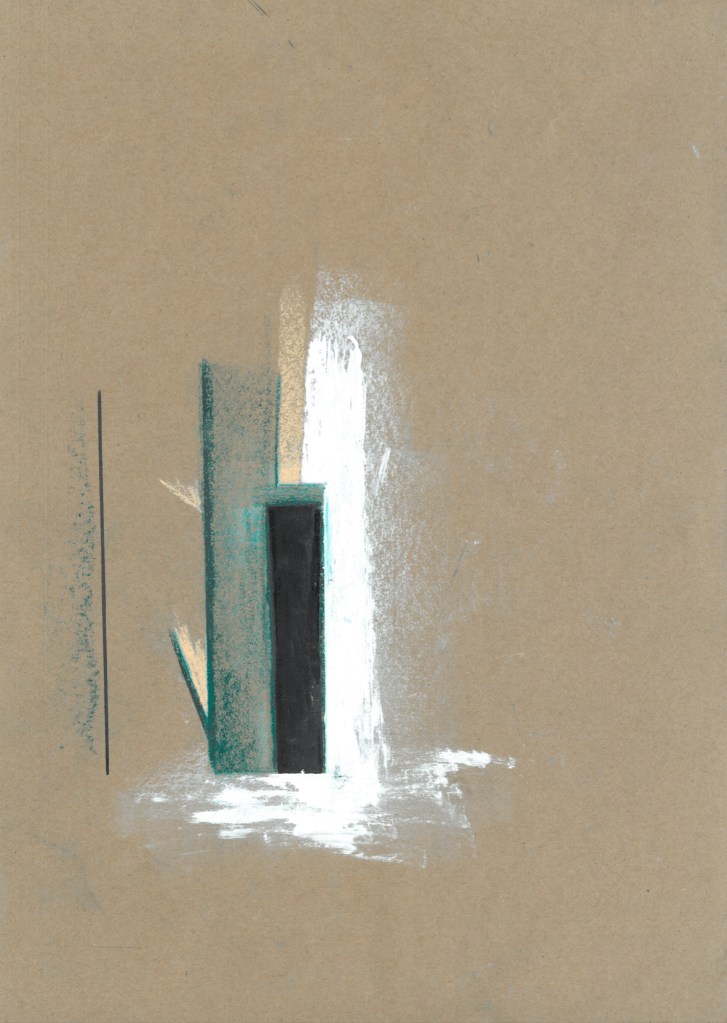

2



3

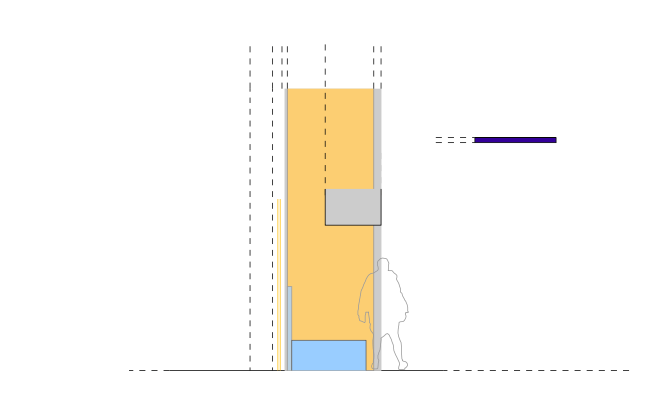
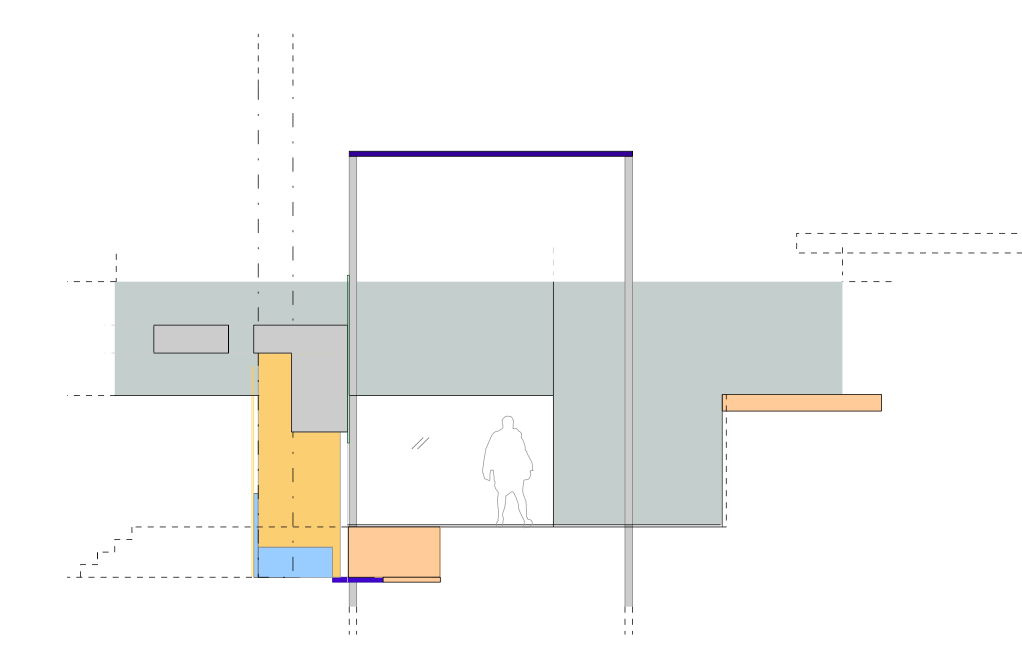
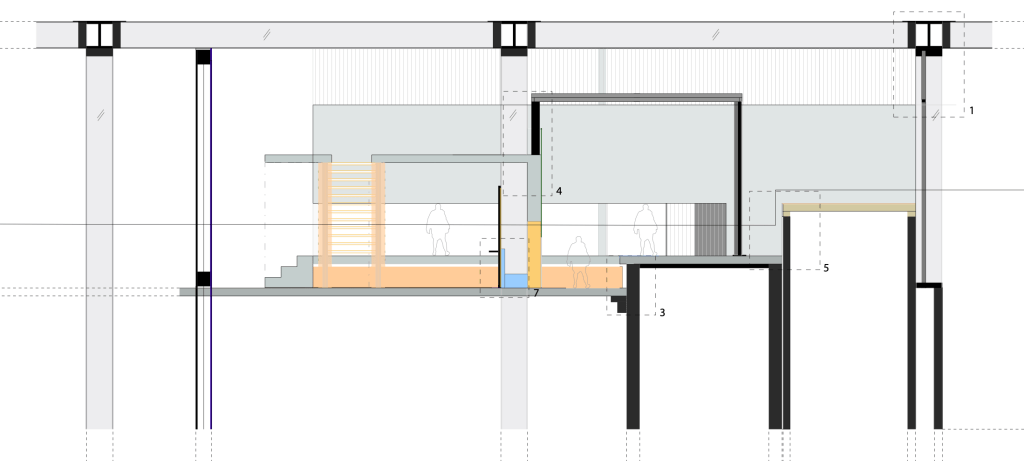

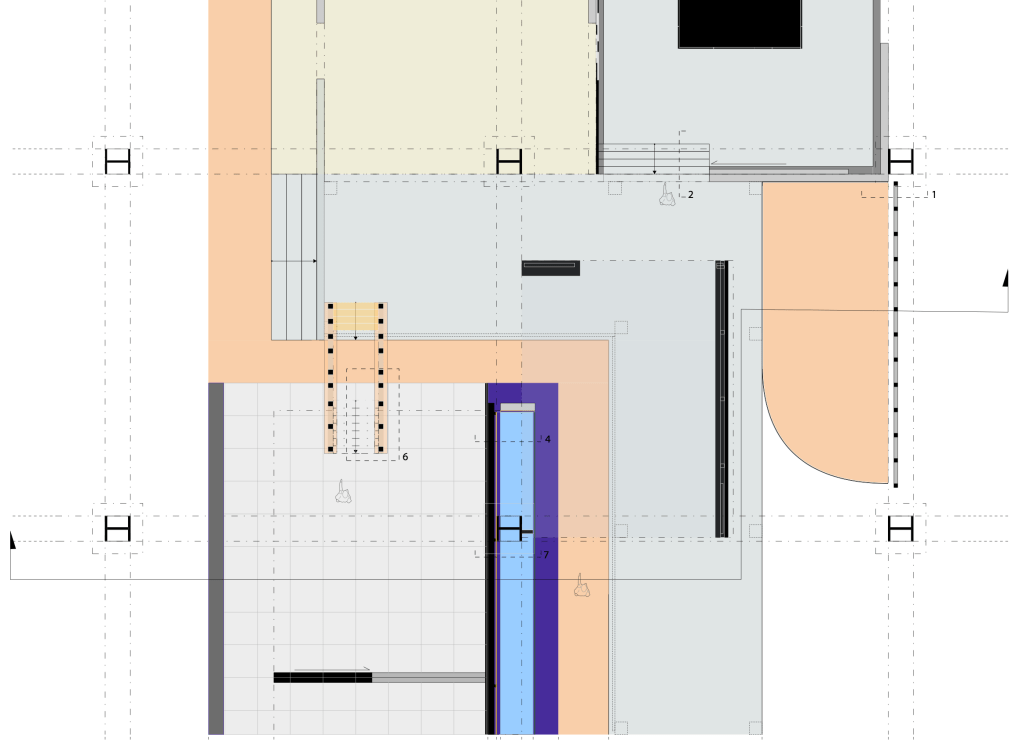
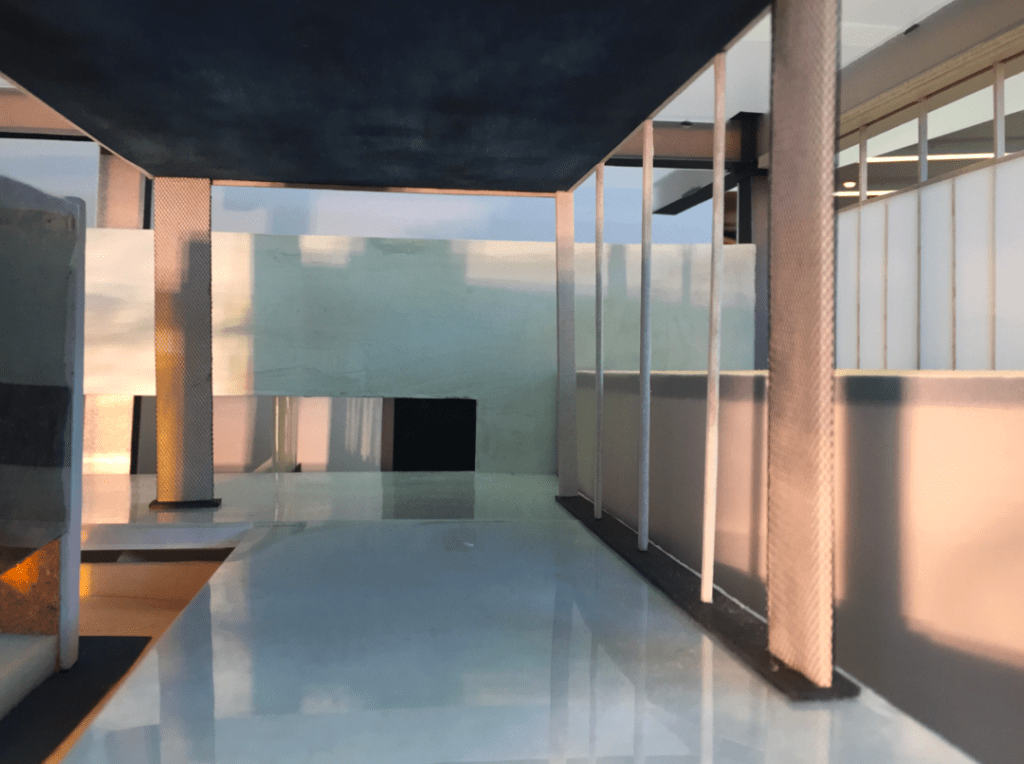
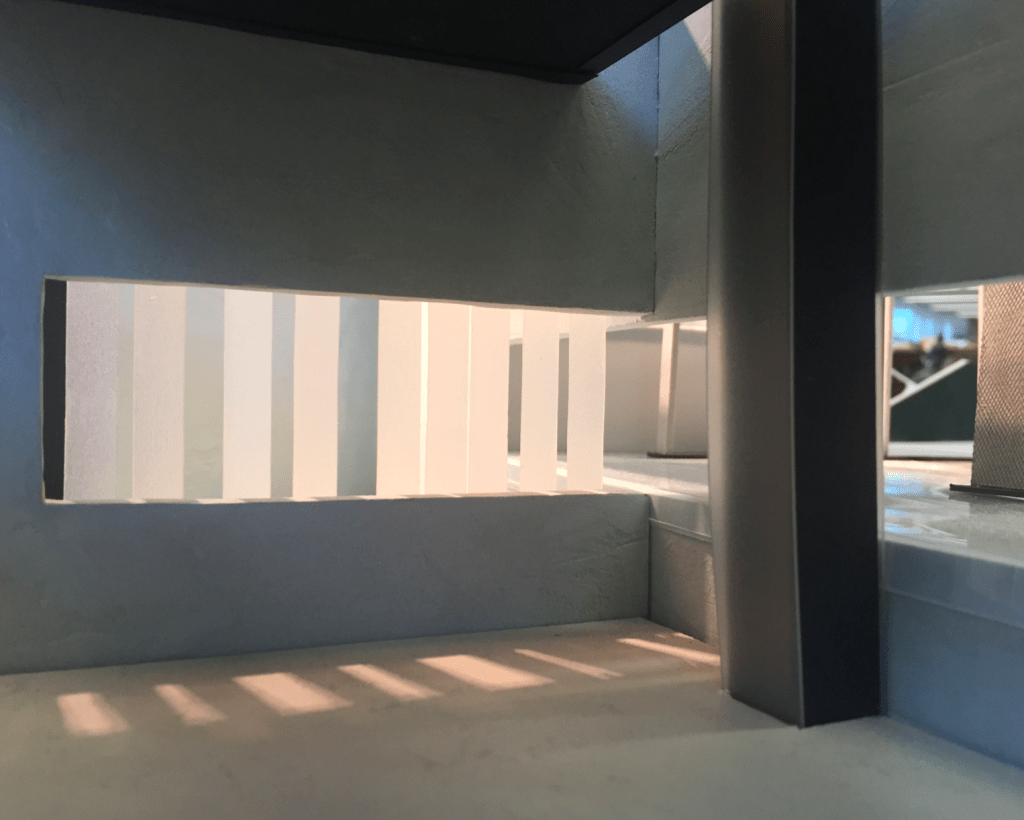
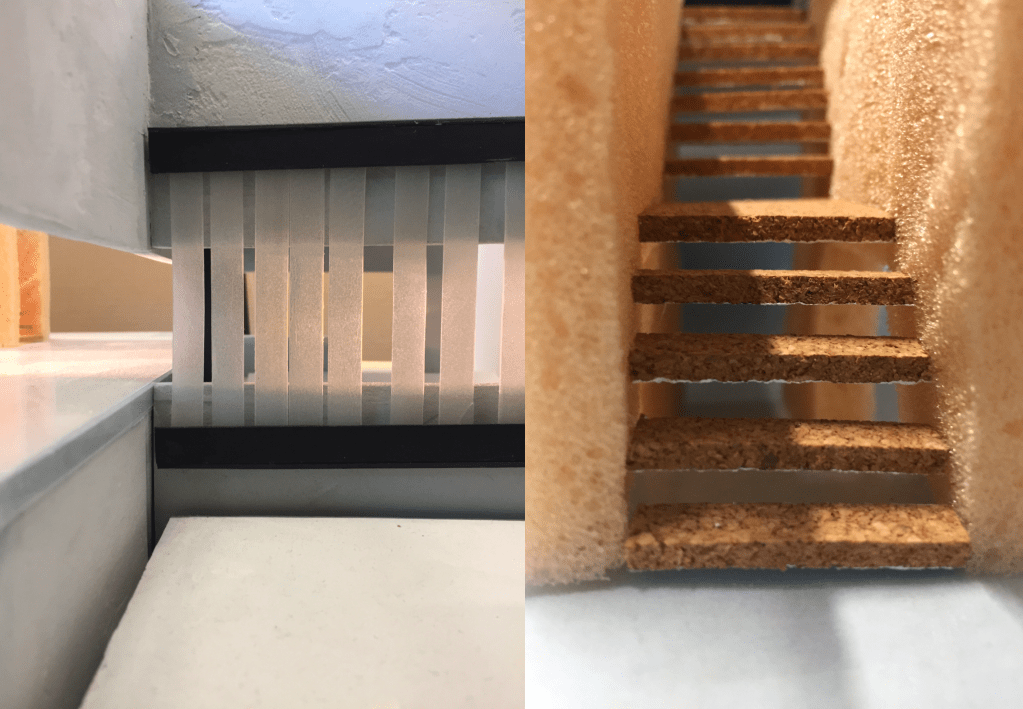
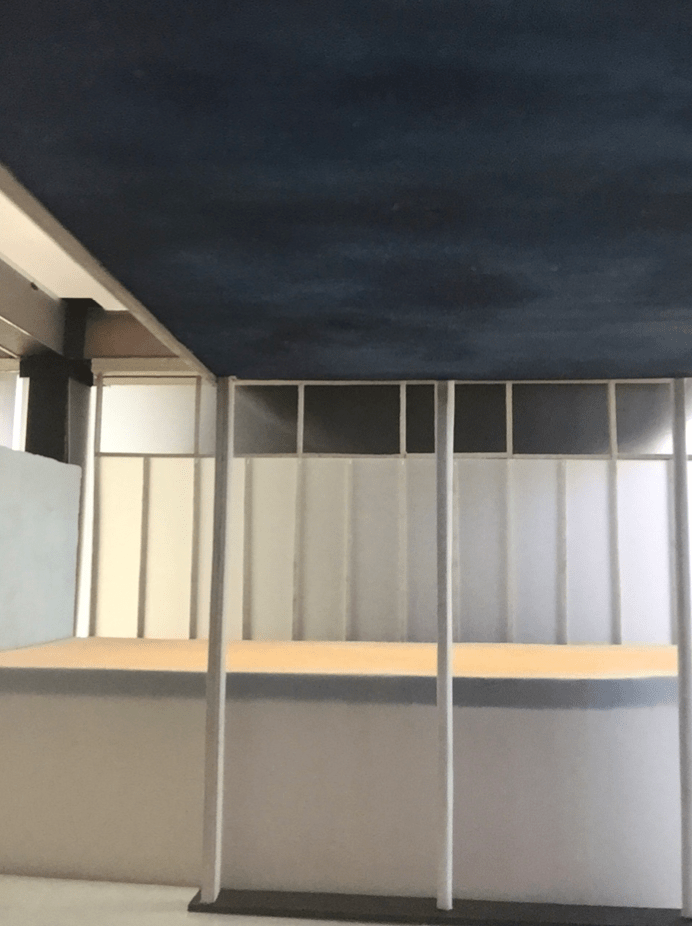
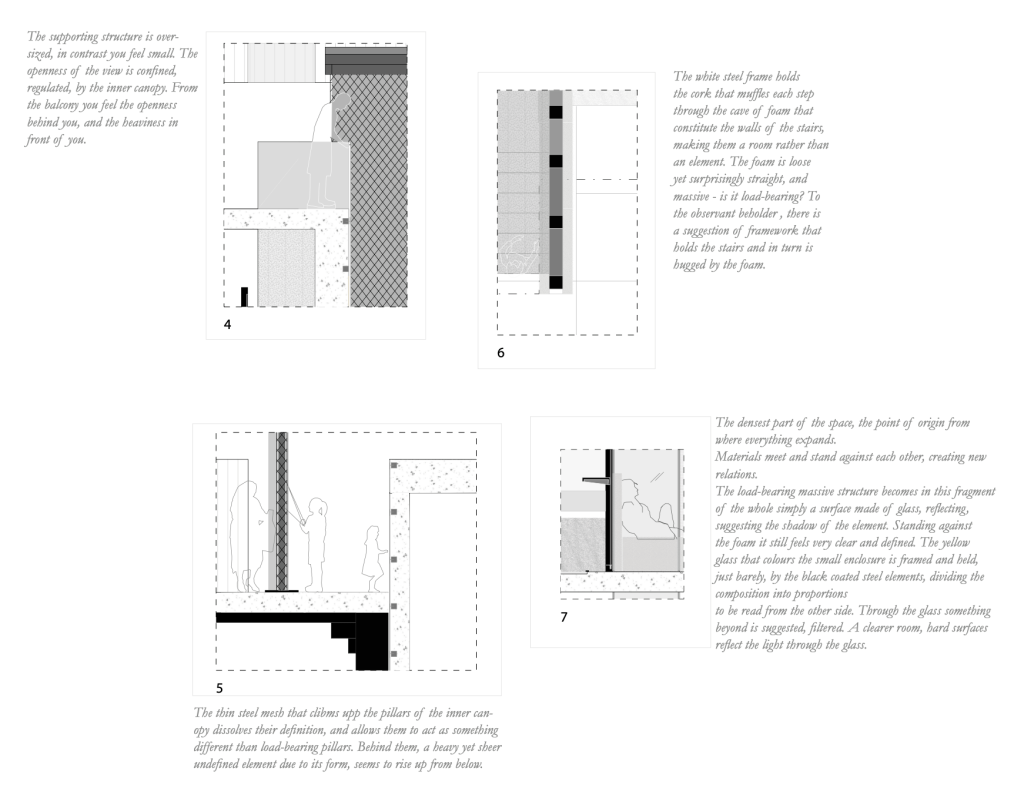
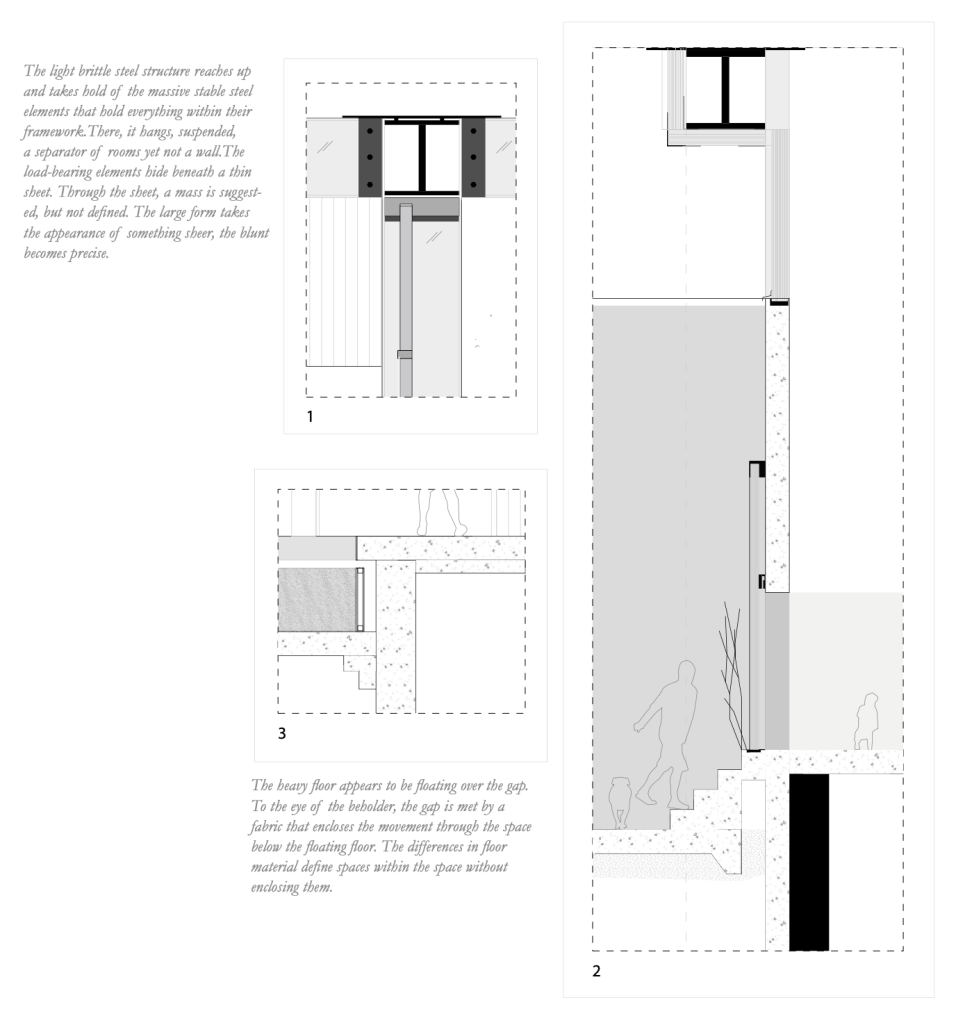

“Each space and place is an invitation to and a suggestion of distinct acts and activities. Atmosphere stimulates activities and guides the imagination.” – Juhani Pallasmaa
– Feelings influence “experienced spatial potential”. Experience lies in the beholder.
“The sensitivity associated with feeling where I am at a particular point sets a kind of underlying tone, that colours all other moods that arise in me or dog me. This basic mood is something that we are as a rule not aware of, but which has an exceptional importance, even if it is played down, repressed, and thus unconscious, to the extent that it can have a psychosomatic impact through the tone of the mindful body. This is the reason why the atmospheric effect of spaces needs to be taken seriously not only for special situations, be they of a touristic or festive nature, but also for the everyday world of work, transport and living. ” – Gernot Böhme
“…Undoubtedly, the totality dominates the detail and this principle actuallyreflects the way our mind works.”
“The judgement of environmental character is a complex fusion of countless factors (such as gravity, balance, stability, motion, duration, scale, illumination…) that are immediately and synthetically grasped as an overall atmosphere, feeling, mood, or ambience. …
Indeed, the immediate judgement of the character of space calls upon our entire embodied and existential sense, and it is perceived in a diffuse and peripheral manner, rather than through precise and conscious observation. Moreover, this complex assessment projects a temporal process, as it fuses perception, memory, and imagination. – Juhani Pallasmaa“Led by my instincts I draw, not architectural syntheses, but sometimes even childish compositions, and via this route I eventually arrive at an abstract basis to the main concept, a kind of universal substance with whose help the numerous quarrelling sub-problems (of the design task) can be brought into harmony.” – Alvar Aalto, The Trout and the Mountain Stream
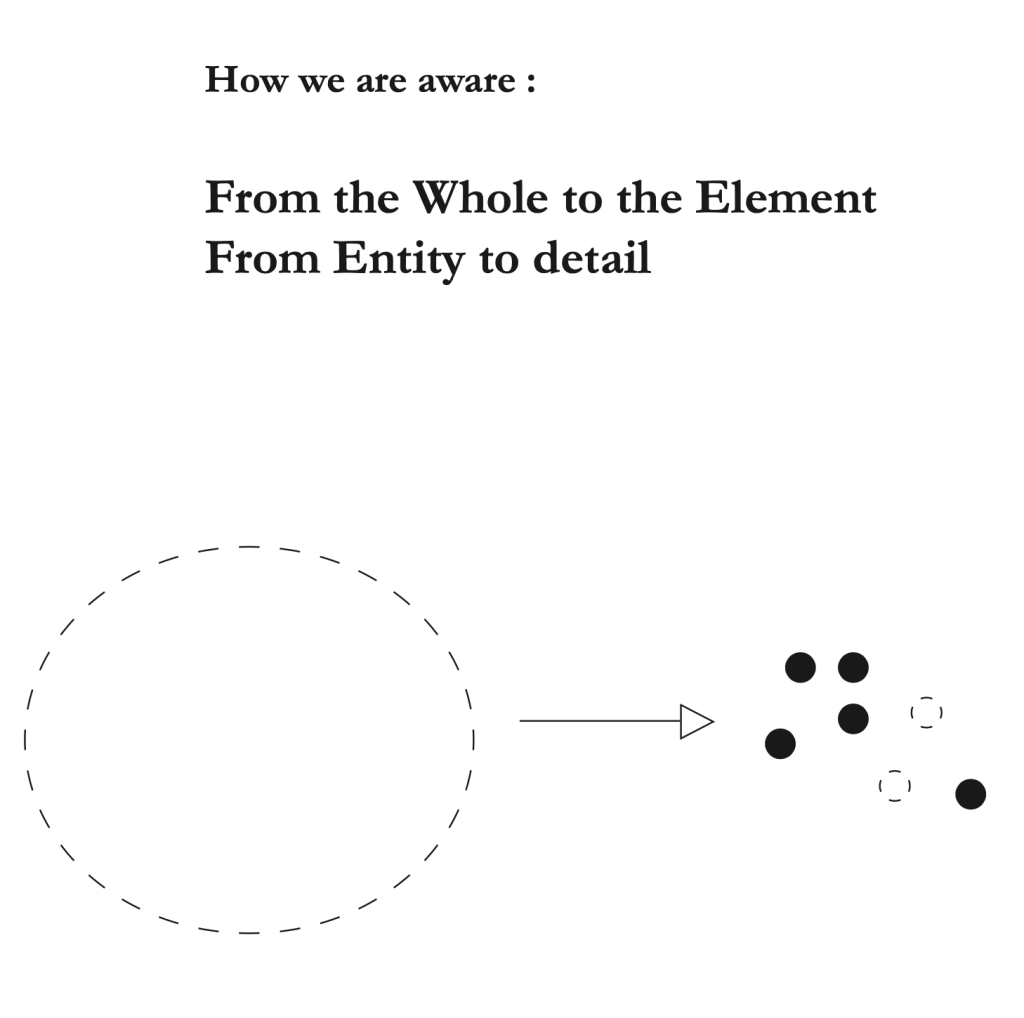
“Perception calls for imagination…”, “….percepts are not automatic products of our sensory mechanisms, they are essentially creations and products of intentionality and imagination.”
Peripheral Awareness – How we are aware – How can it be used in the design process?
“The most amazing feature of our mental acts is the synthetic completeness of the imagery. As we read a great novel, we create the urban or landscape settings as well as the buildings, spaces and rooms and feel their ambience – albeit without being able to focus on any of their details…” – Juhani Pallasmaa
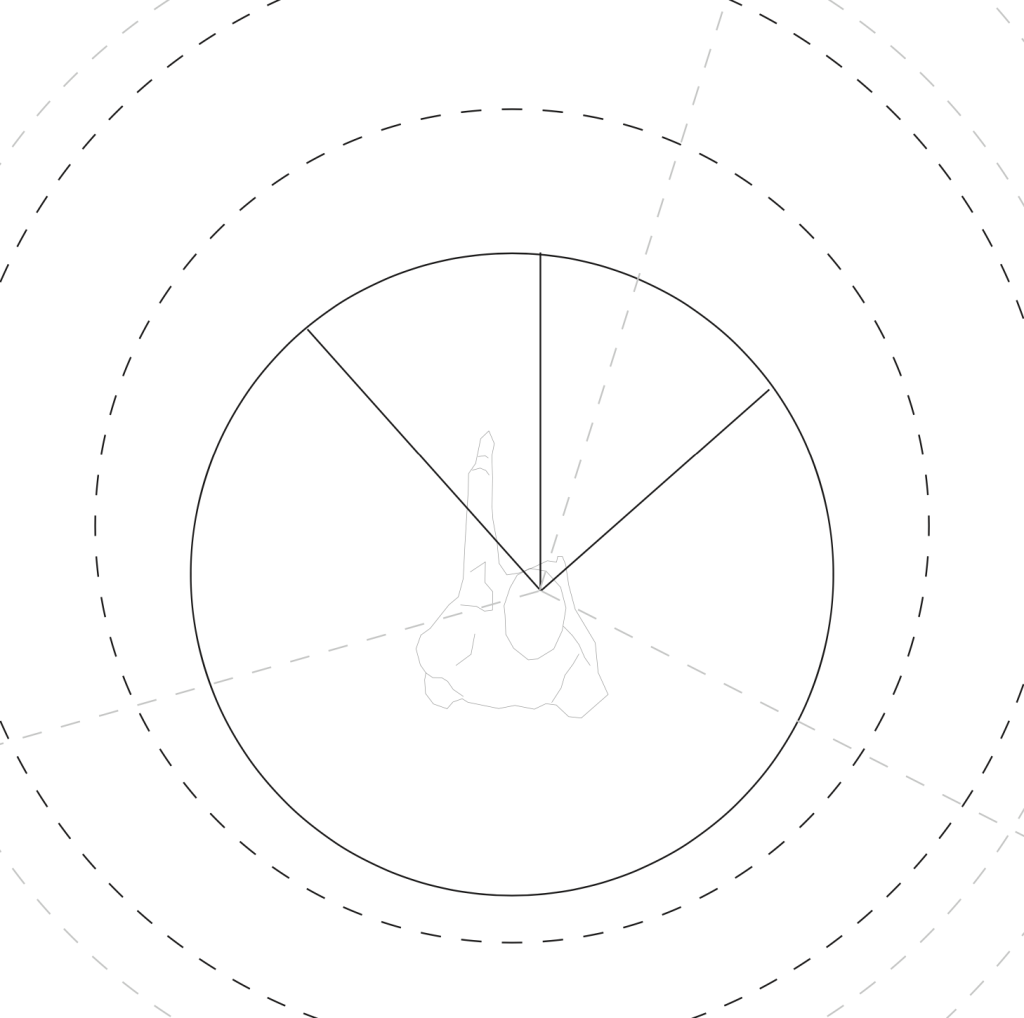
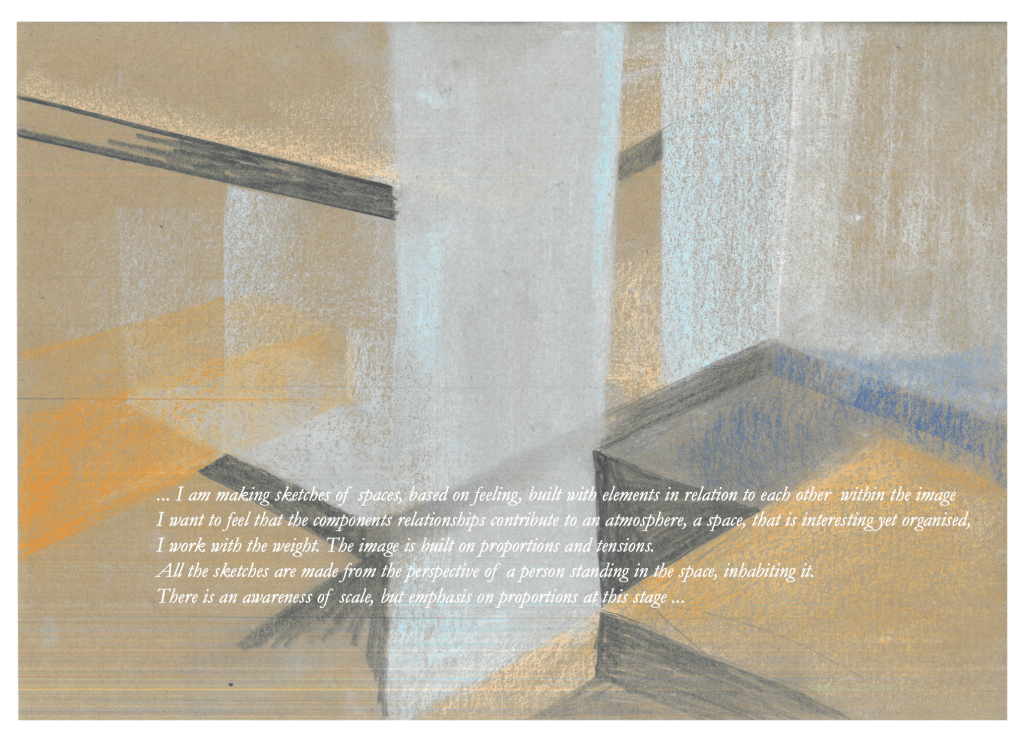
“The abstract relationships express the relation of the parts to the whole apart form any concrete or material embodiment. They reflect the direct visual experience of the thing, how forms and spaces and movements “speak” to one another.” “Always react to your design sketches first. You can analyse them later.” “…tensional relationship depends on sensitivity to the negative space between forms” “The difference between beautiful and ordinary form is the sensitivity of these proportions. It is an intangible but very real quality. Understanding it is one of the most valuable assets of a visual artist. Too much time cannot be spent in developing this sensitivity in oneself and becoming intuitively aware of beautiful relationships.” – Rowena Reed Kostellow
The process I employ involves directional forces, overall proportions, grouping of forms, complementary relationships, contrasting
balance, forces of movement …
“To really be there also means to experience the resistance of things and (this perhaps being more important) to experience one’s own physical status in this resistance. Buildings and spaces in reality are not freely and effortlessly available, they have to be walked through or around, and that takes time and effort. Technological facilities must therefore not be allowed to make visiting modern buildings some effortless surfing through them.” – Gernot Böhme



 JENNY ÖVERGAARD