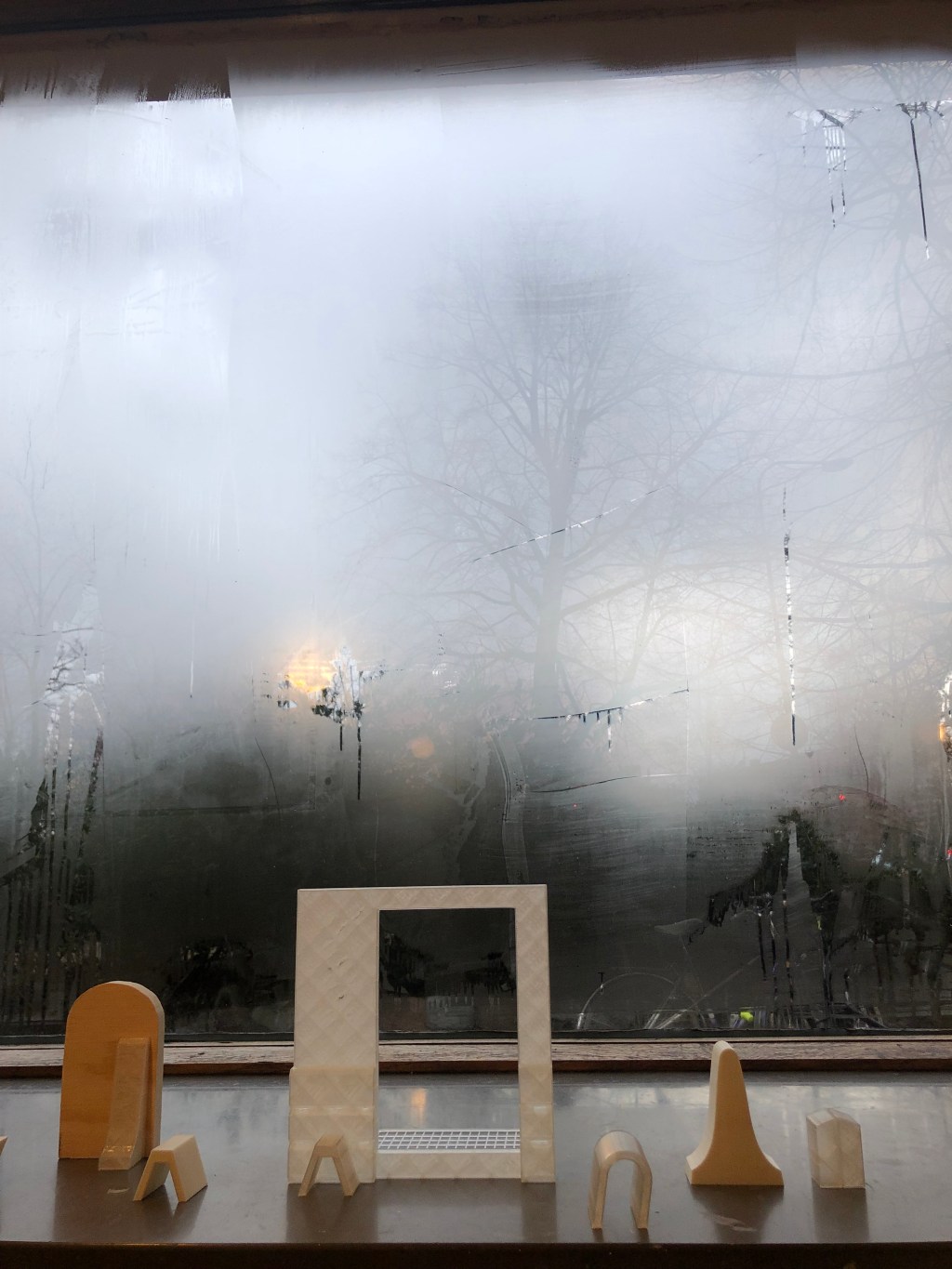
Monuments of inclusion – what the vague offers – while in opposition to the idea of universal?
An ongoing study of how the theory that certain combinations of materials proportions and shapes offer multiple interpretations could be used as a stage that offers opportunities for unarticulated needs or wants to manifest. The interpretable may even be called a support-structure of the individual, creative exploration of space and as such, be considered vital for a space that does not wish to restrict actions or demand a certain score.
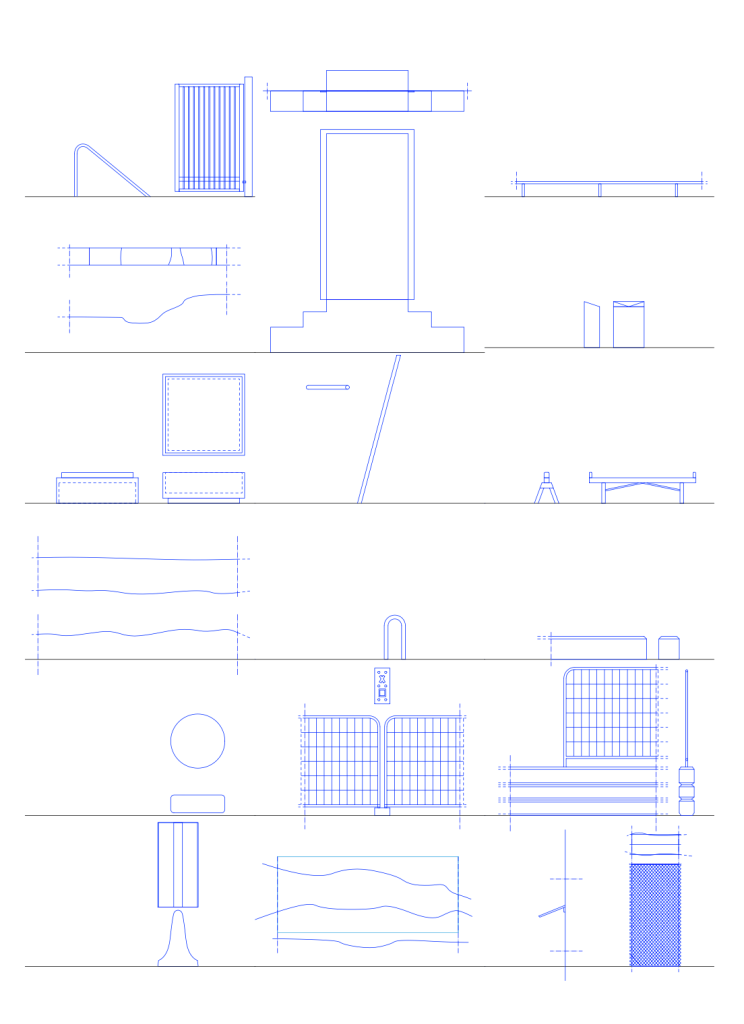
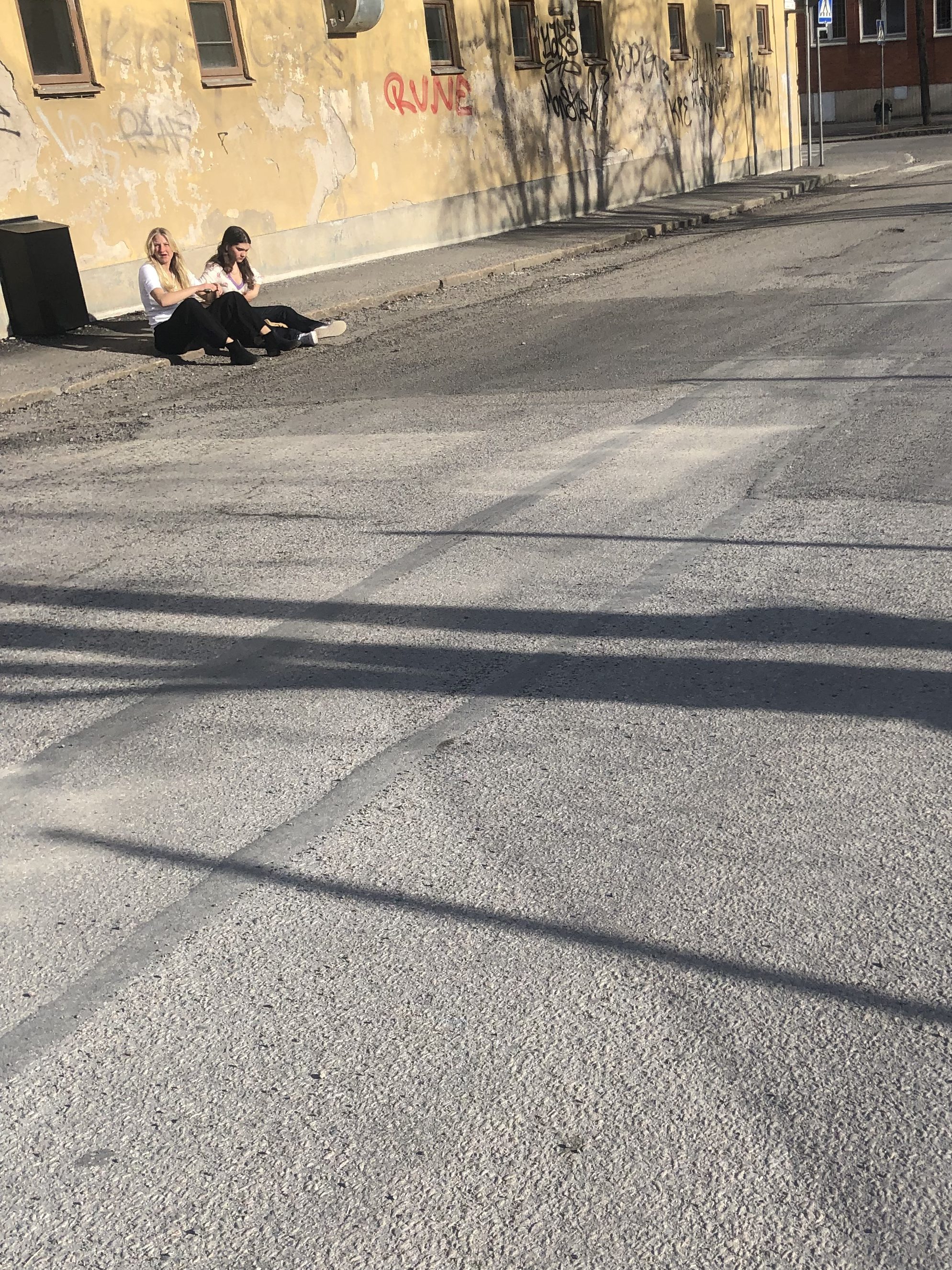
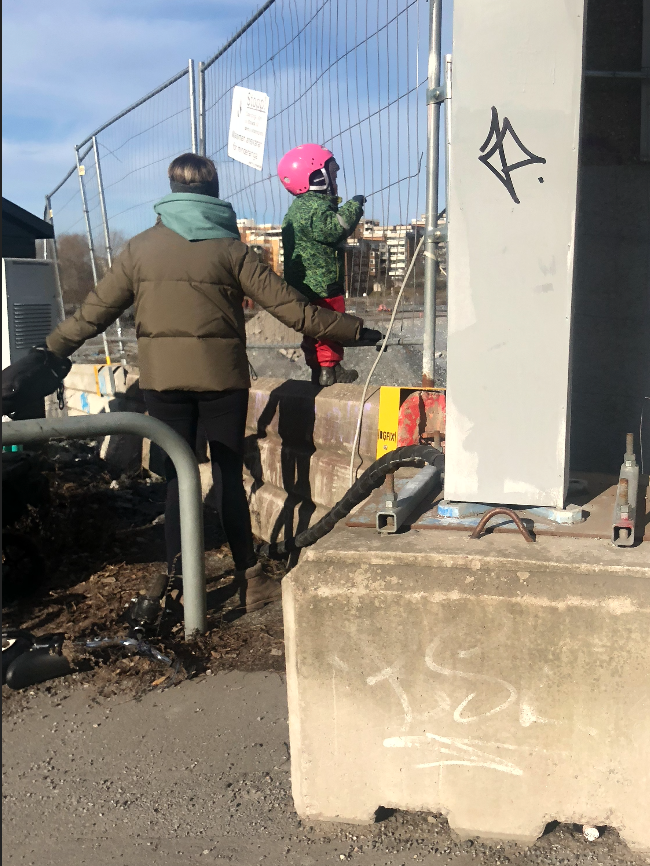
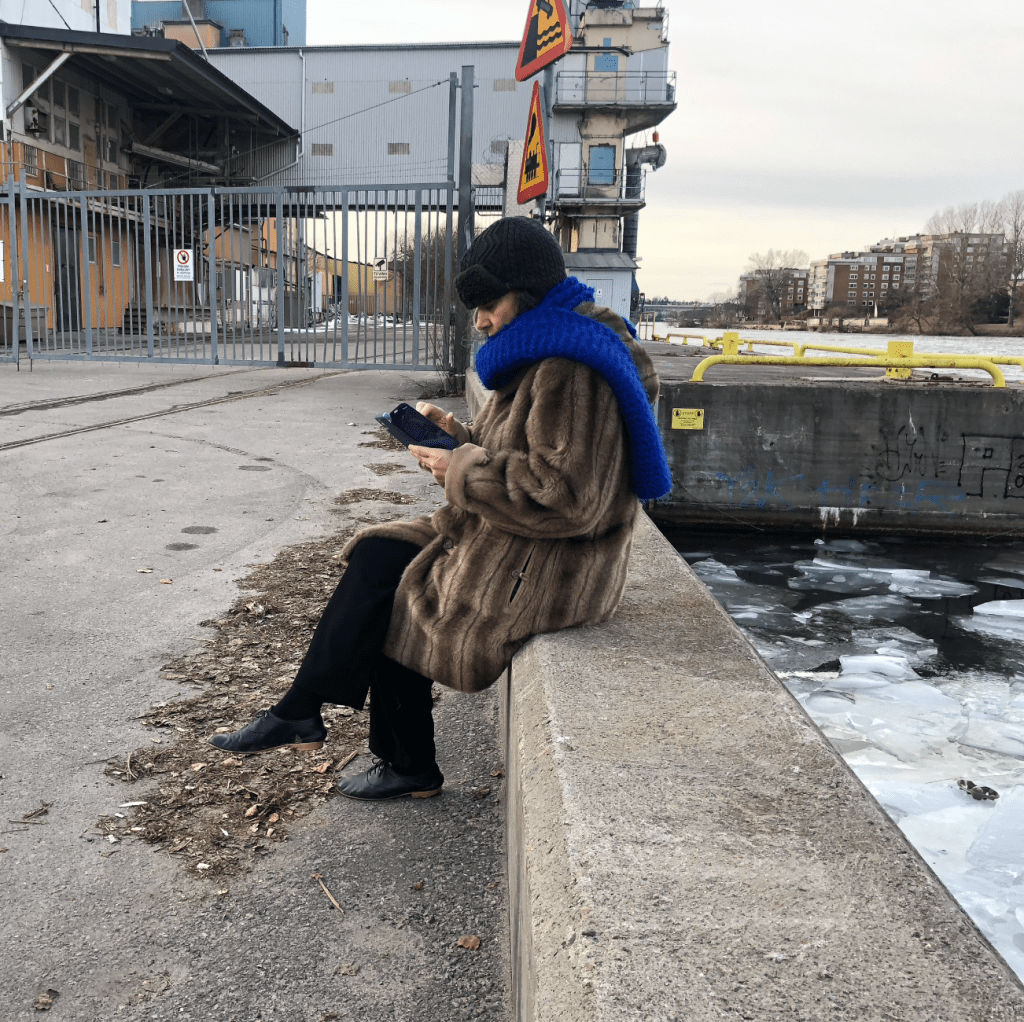
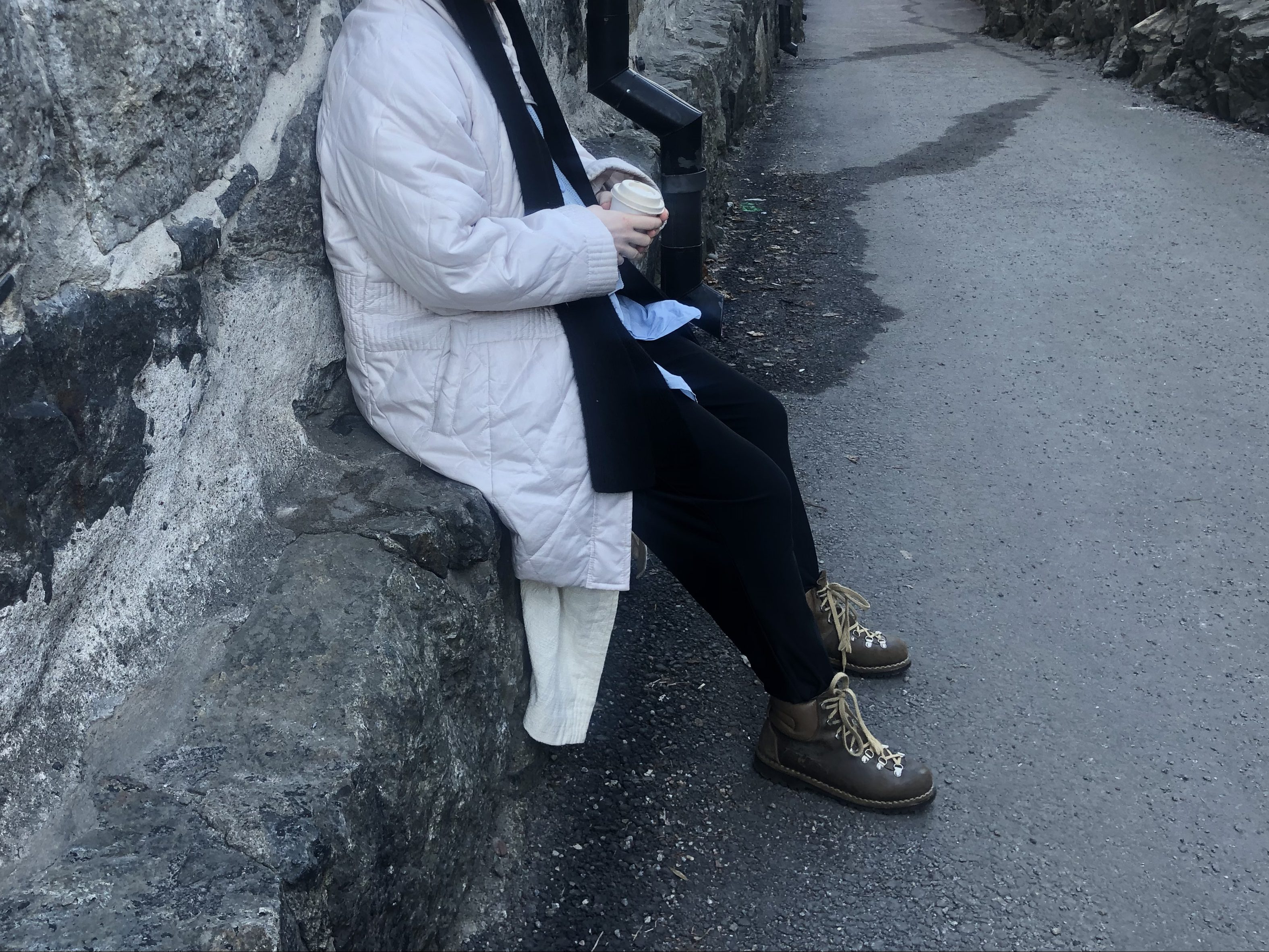
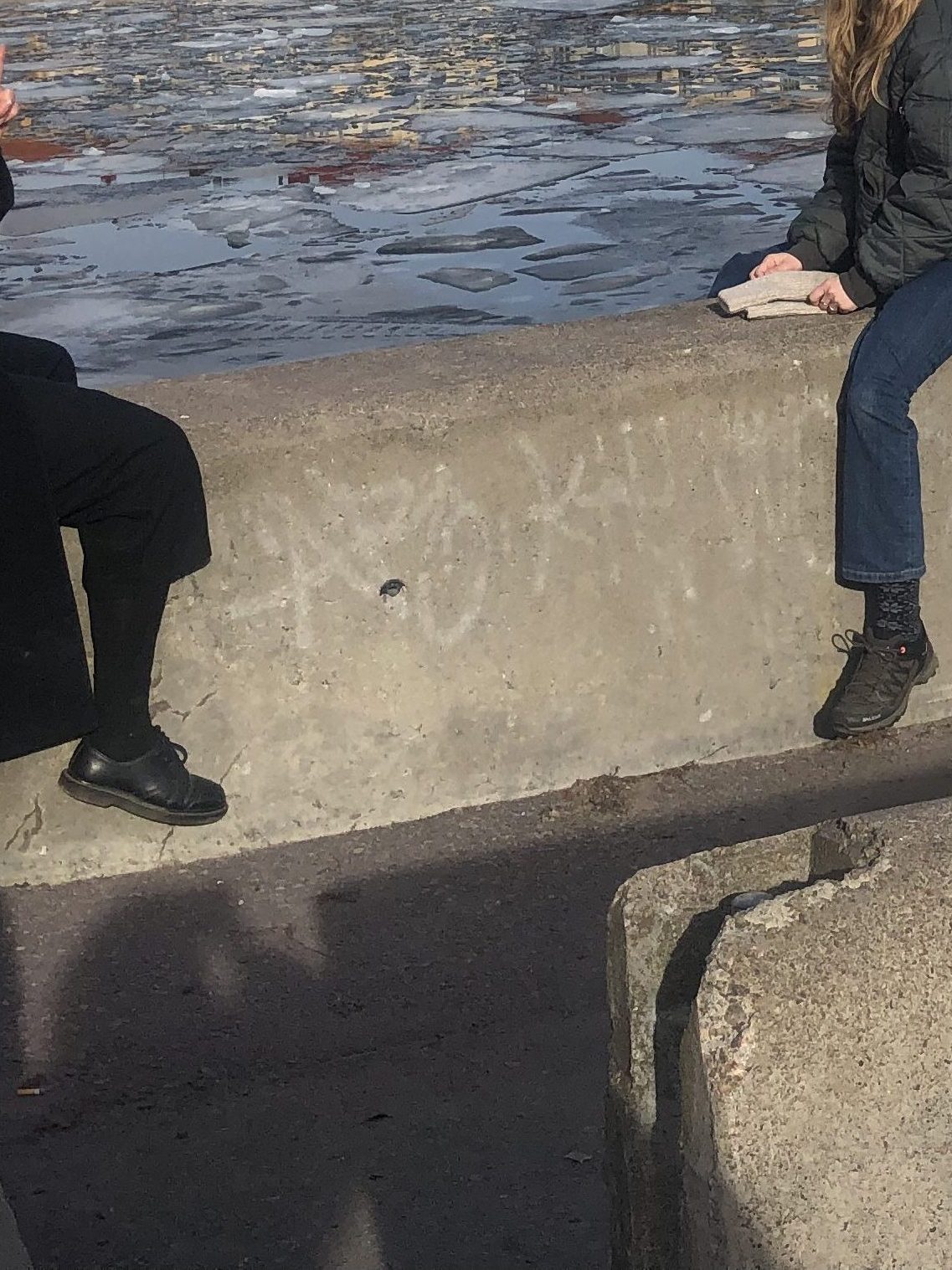
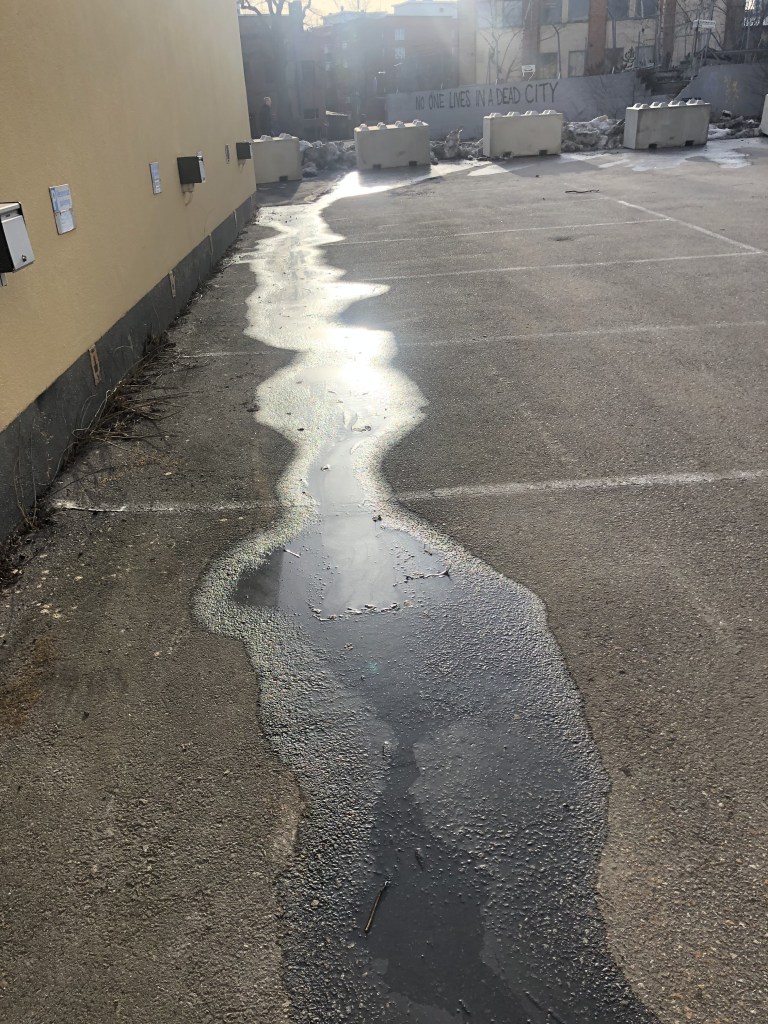
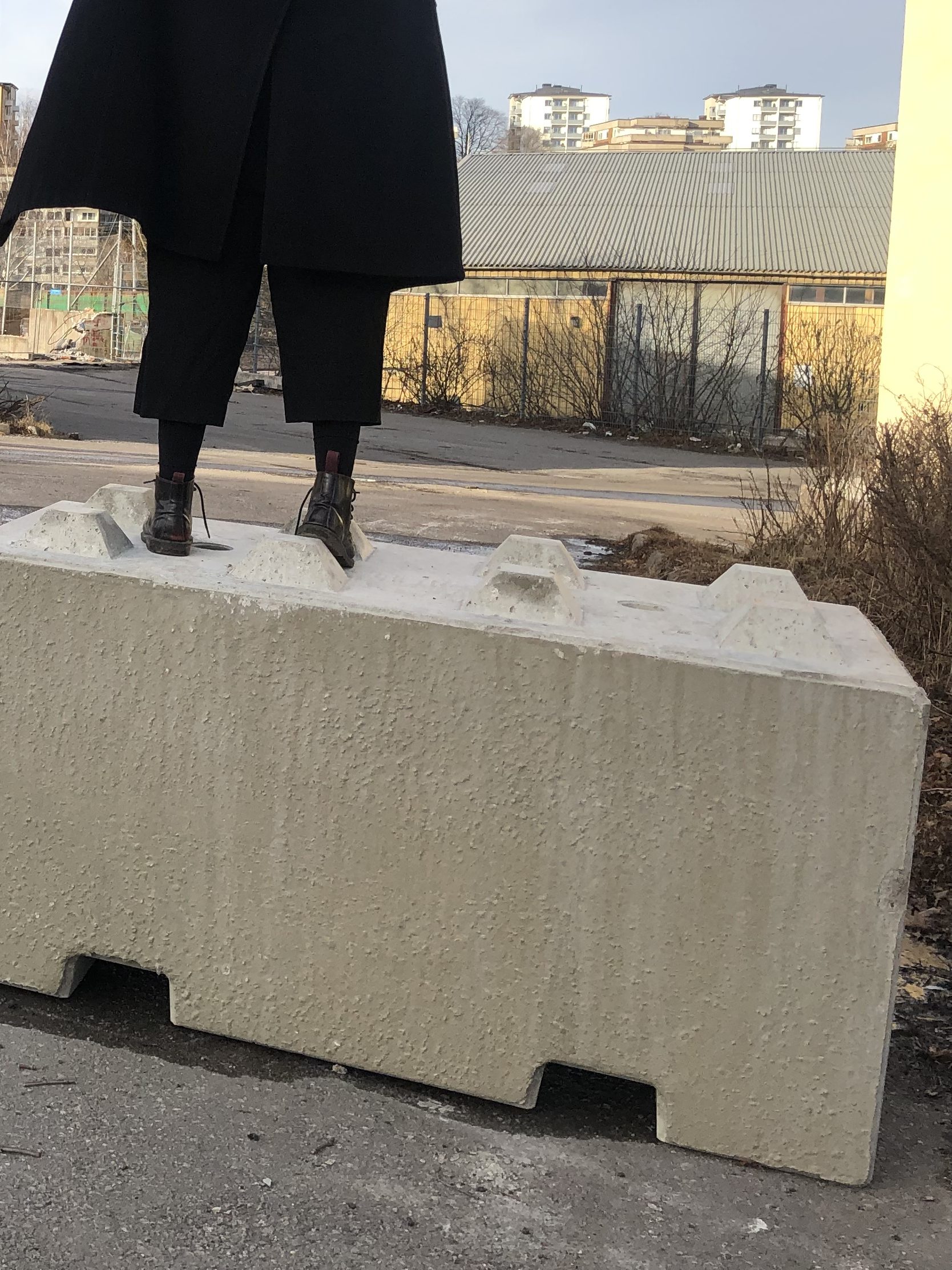
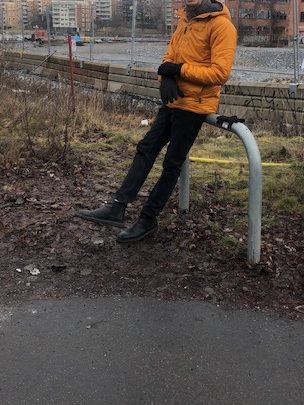
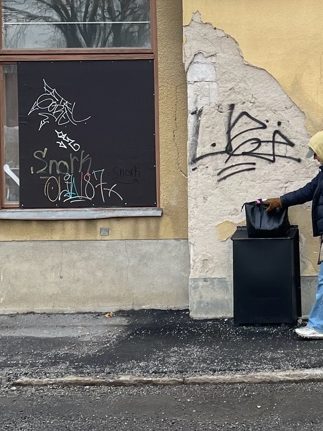
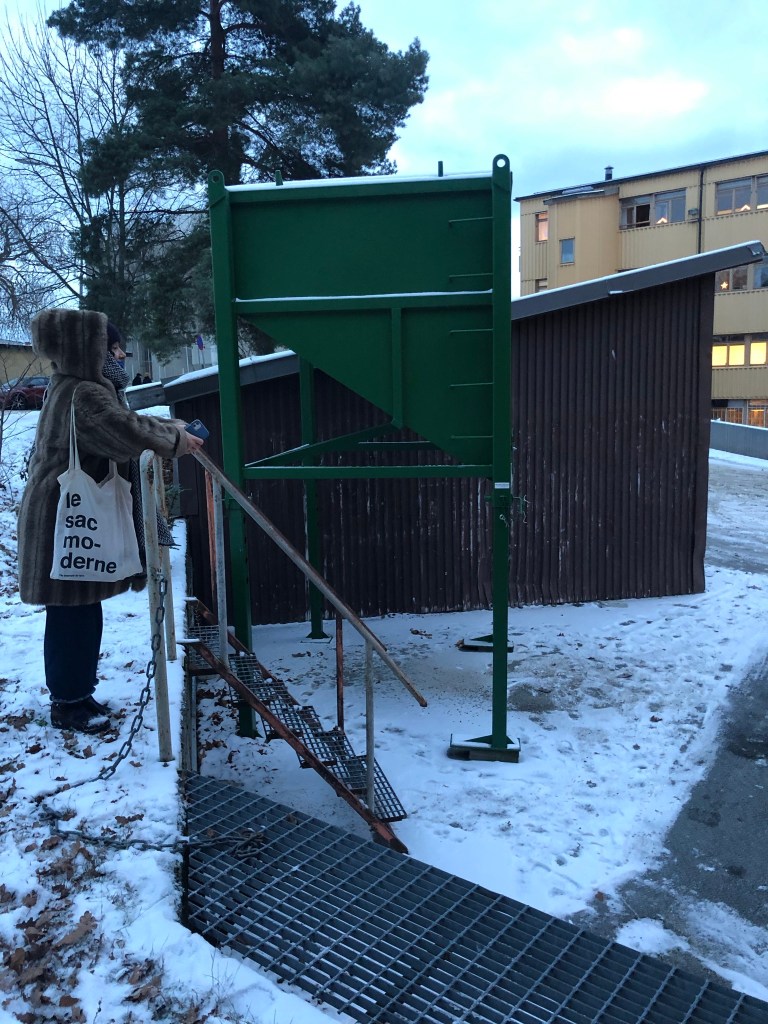
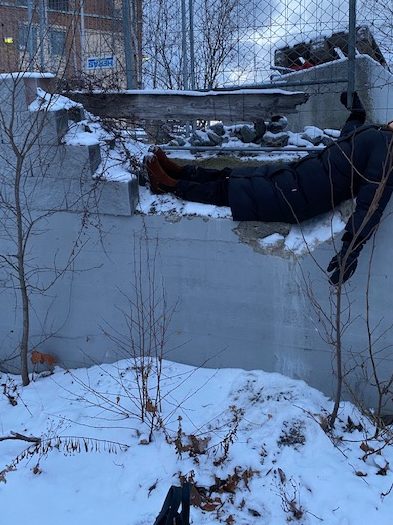
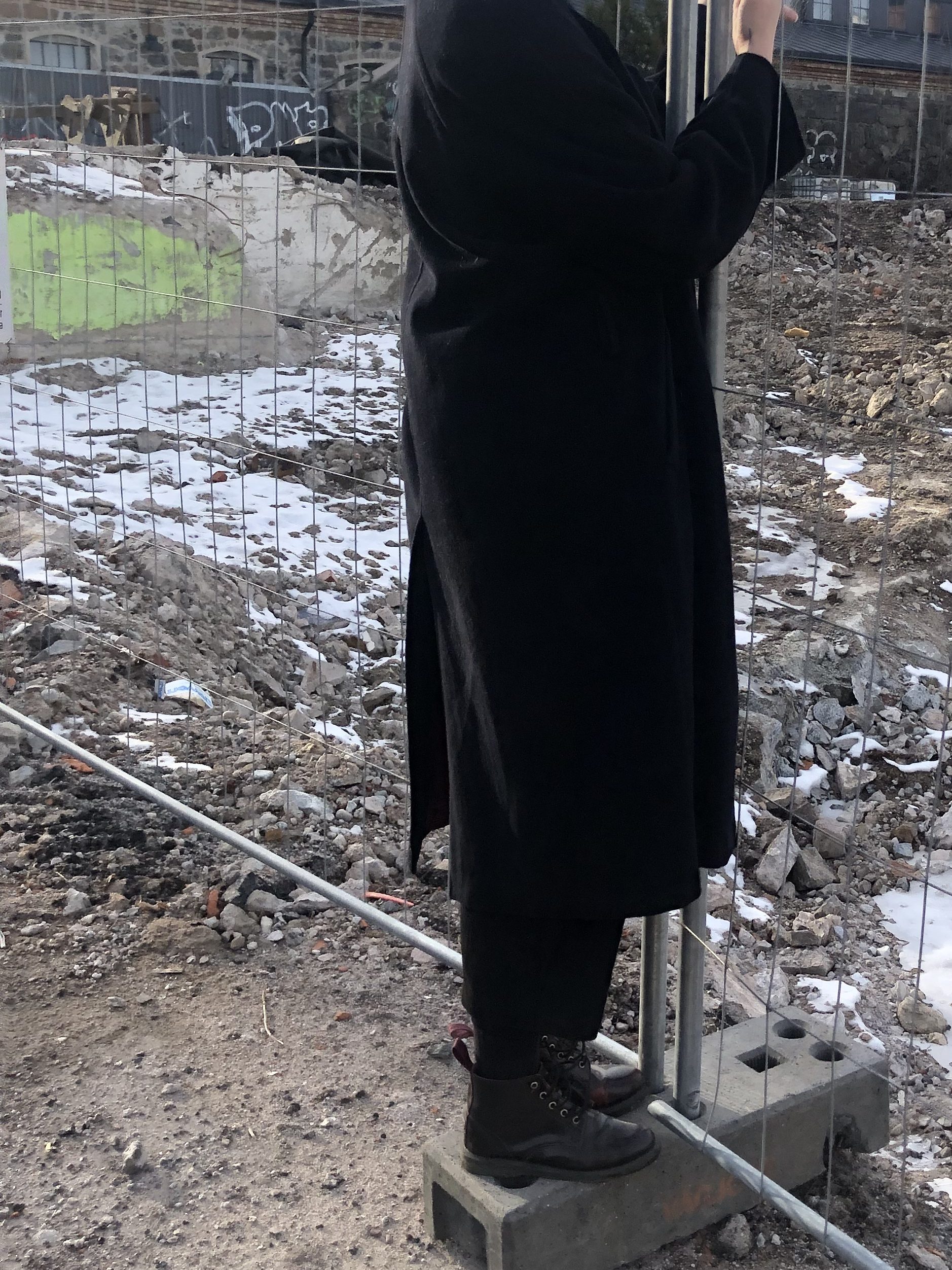
Originating in a documentation of shapes/situations (combinations of specific settings) and how they were used in an industrial area south of central Stockholm, Lövholmen, the initiative was then aided by a workshop done together with a group of colleagues where we urged each other to try using the space and objects around us in new ways to gain new perspectives – insisting that once you have experienced something new your reference bank becomes irreversibly altered.
(SEE EXPERIENCE SHIFTS PERSPECTIVE)
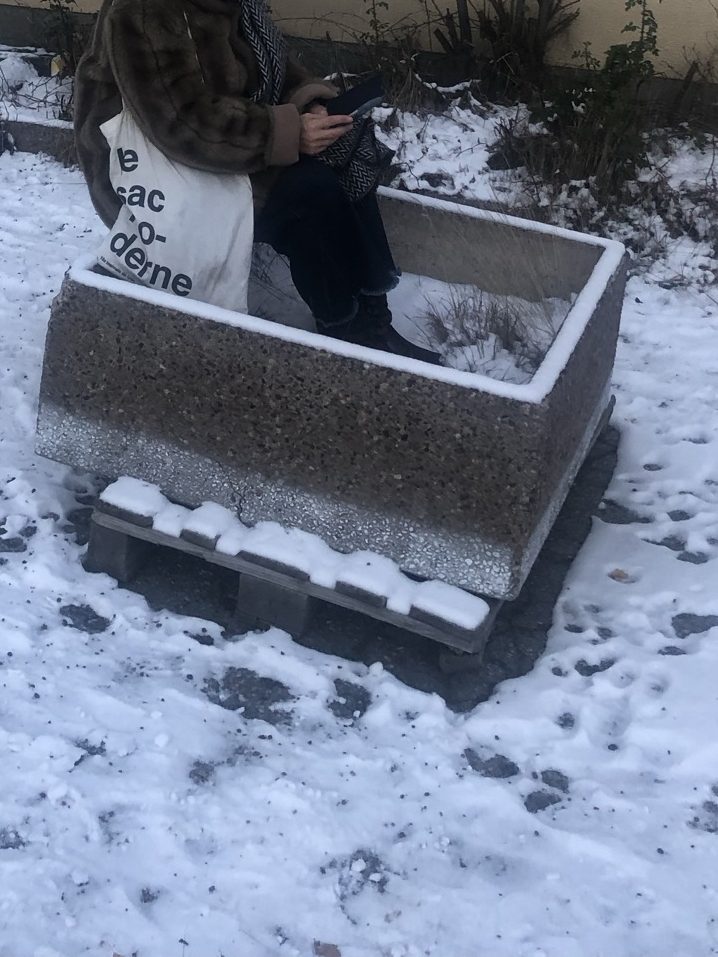
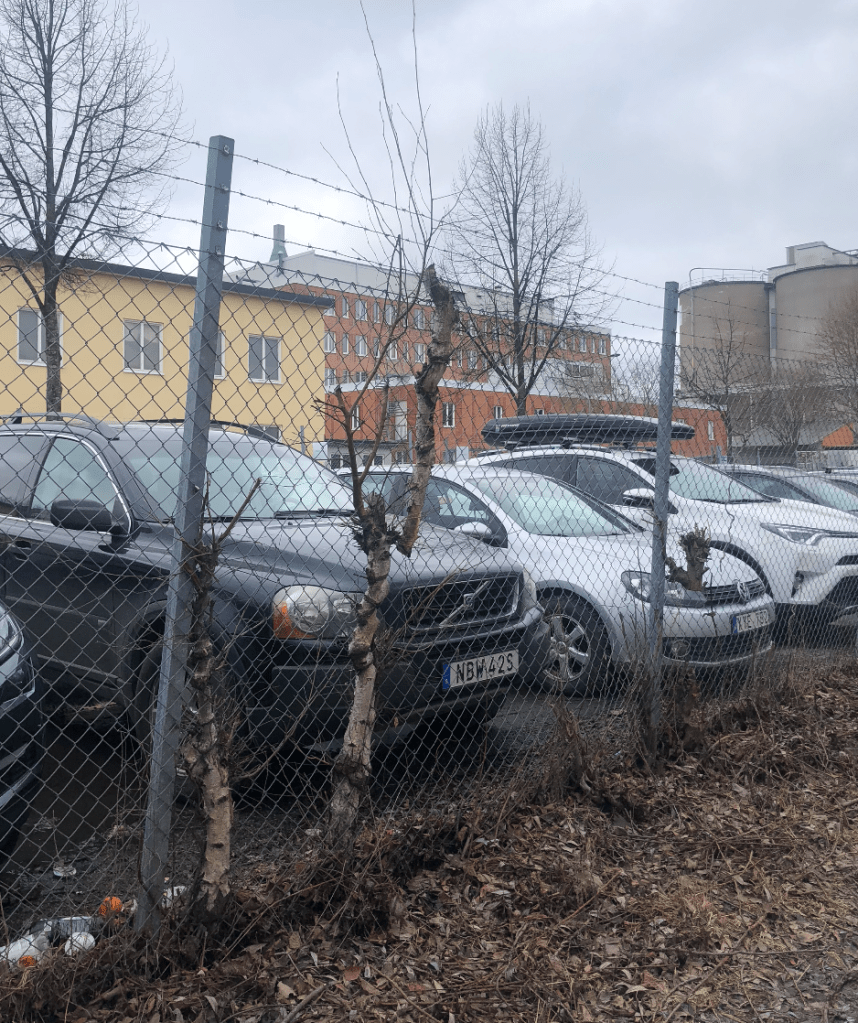
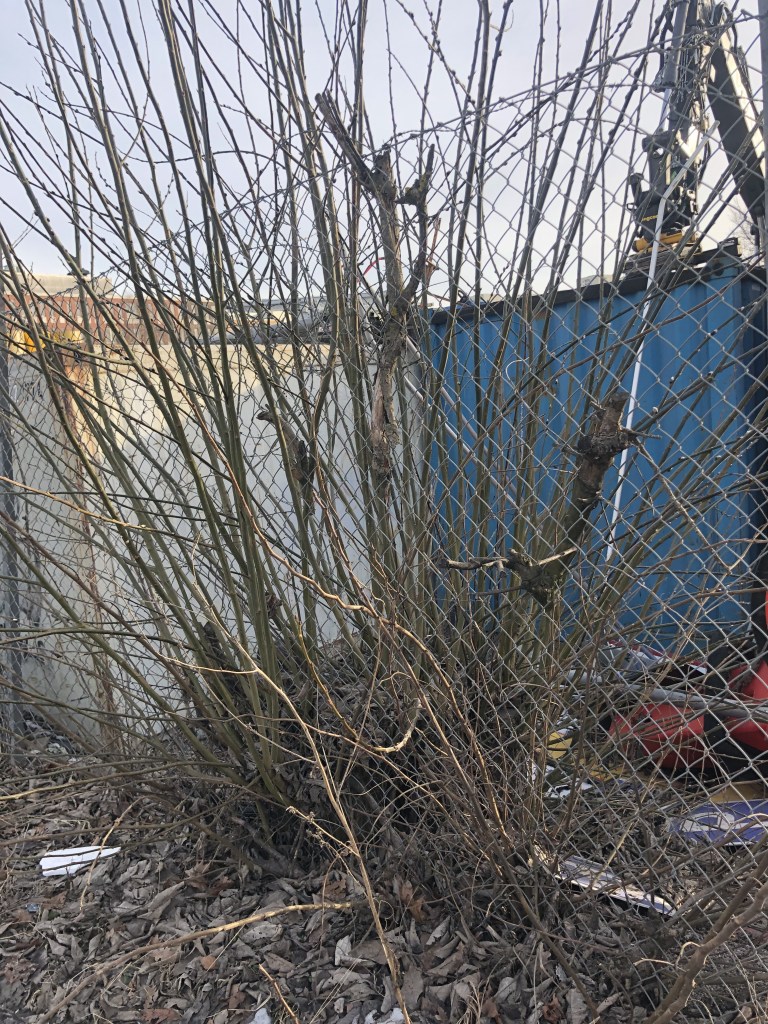
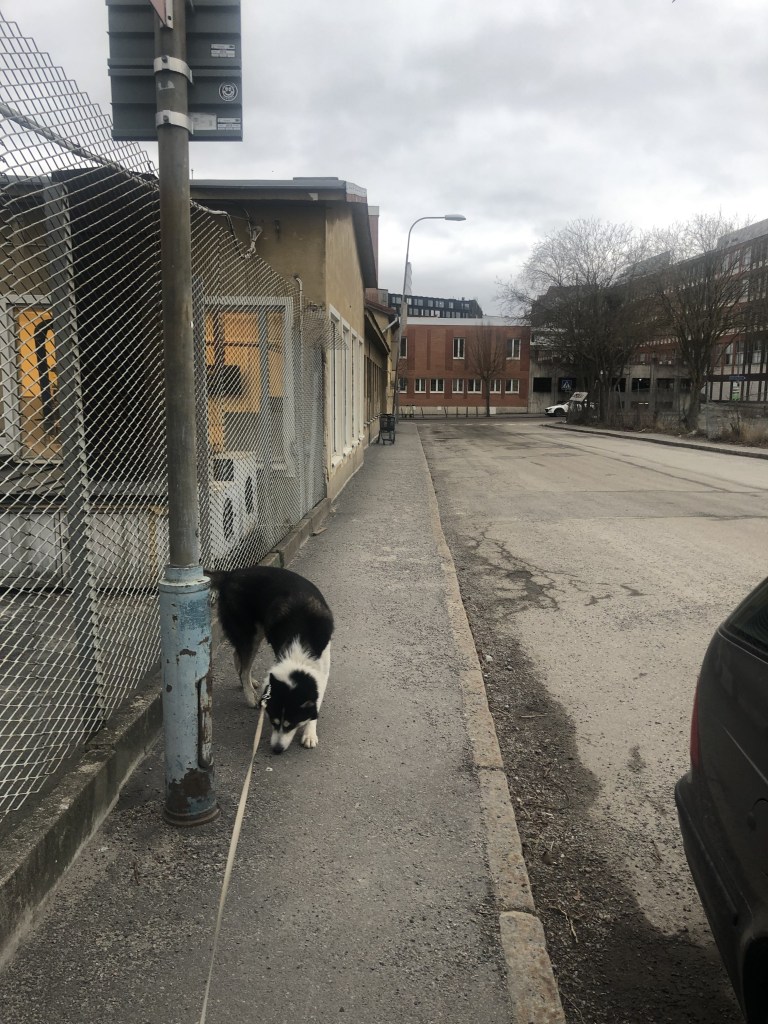
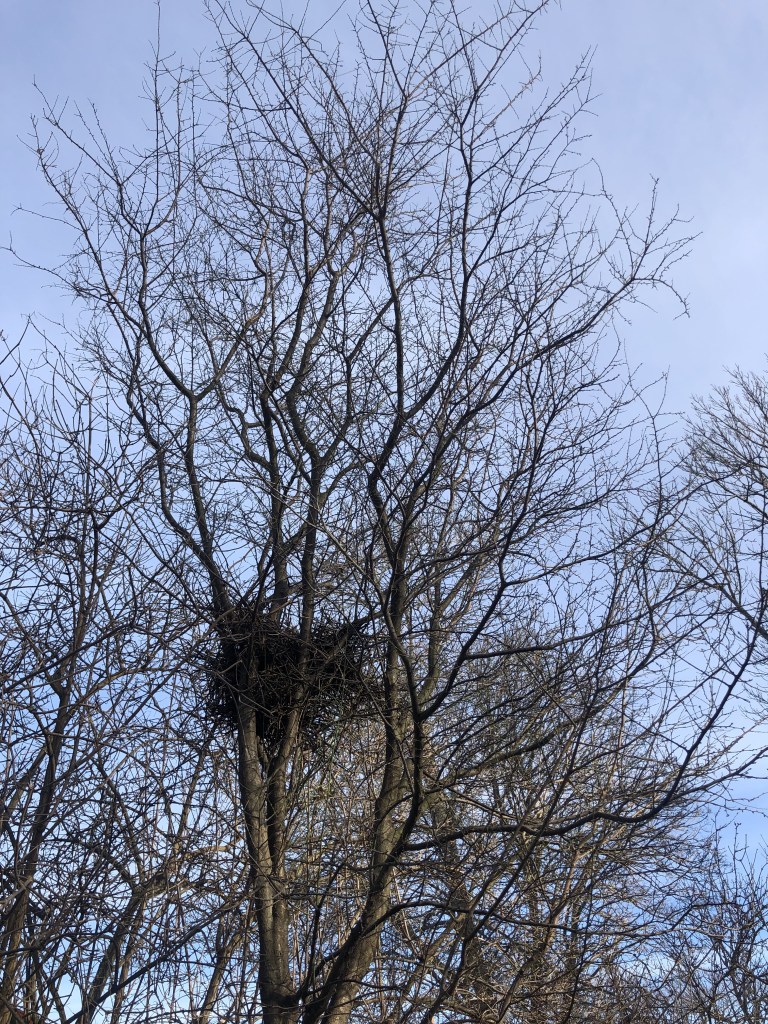
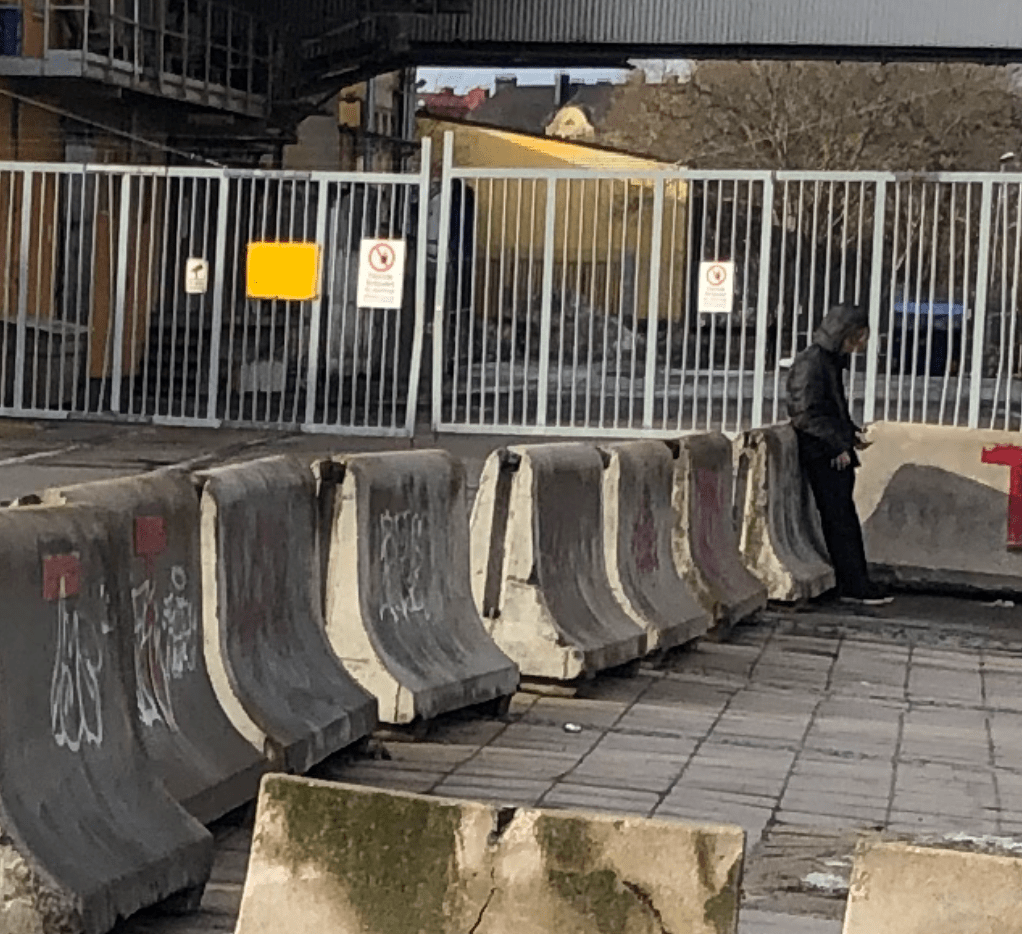
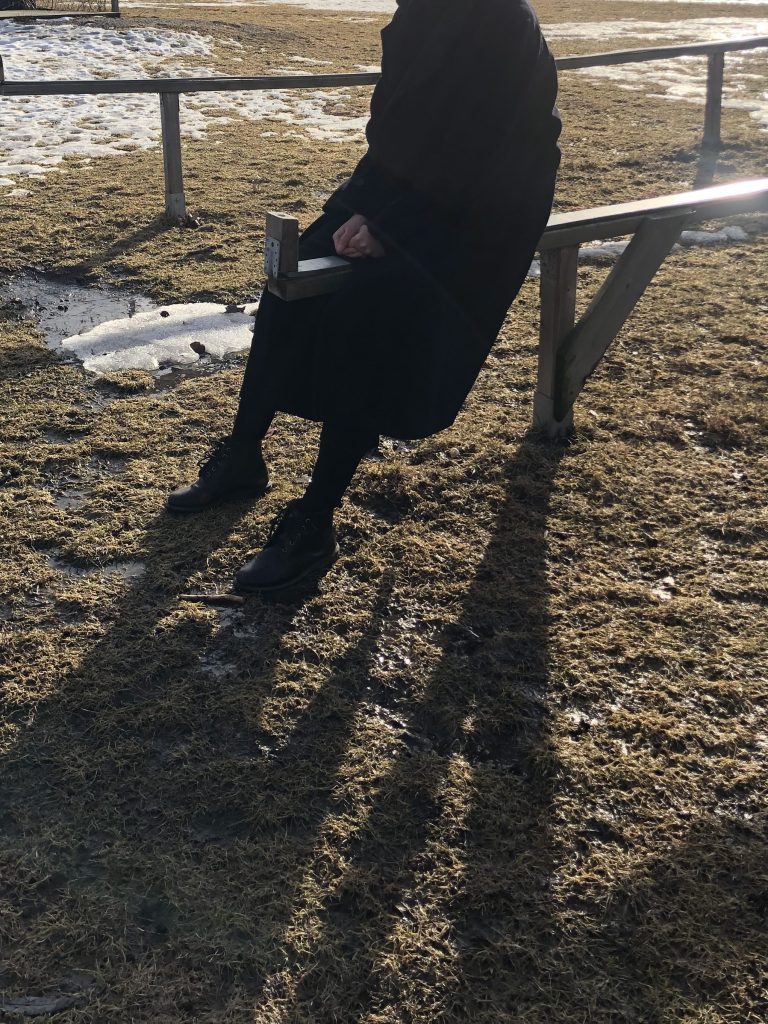
The study continued to observe how varying subjects (adults, children, cars, plants, water etc) used the props around them: adopted them – projected needs onto them – and thereby transformed them.
(SEE POTENTIAL OF THE INTERPRETABLE – STORIES)
I noticed how the undefined character of many of the objects (found on this site, a former industrial area, particularly) allowed this projection of need because they did not always express a clear function – did not communicate the usual demanding expectation that most of us have learned that say, a chair, emits.
I began to consider how this type of prop in public spaces might be generous toward more subjects and would in fact simultaneously be a more efficient way of using space (the study was initiated parallel to an investigation into the economy of land in Stockholm). In other words, I began to consider the potential of the interpretable.
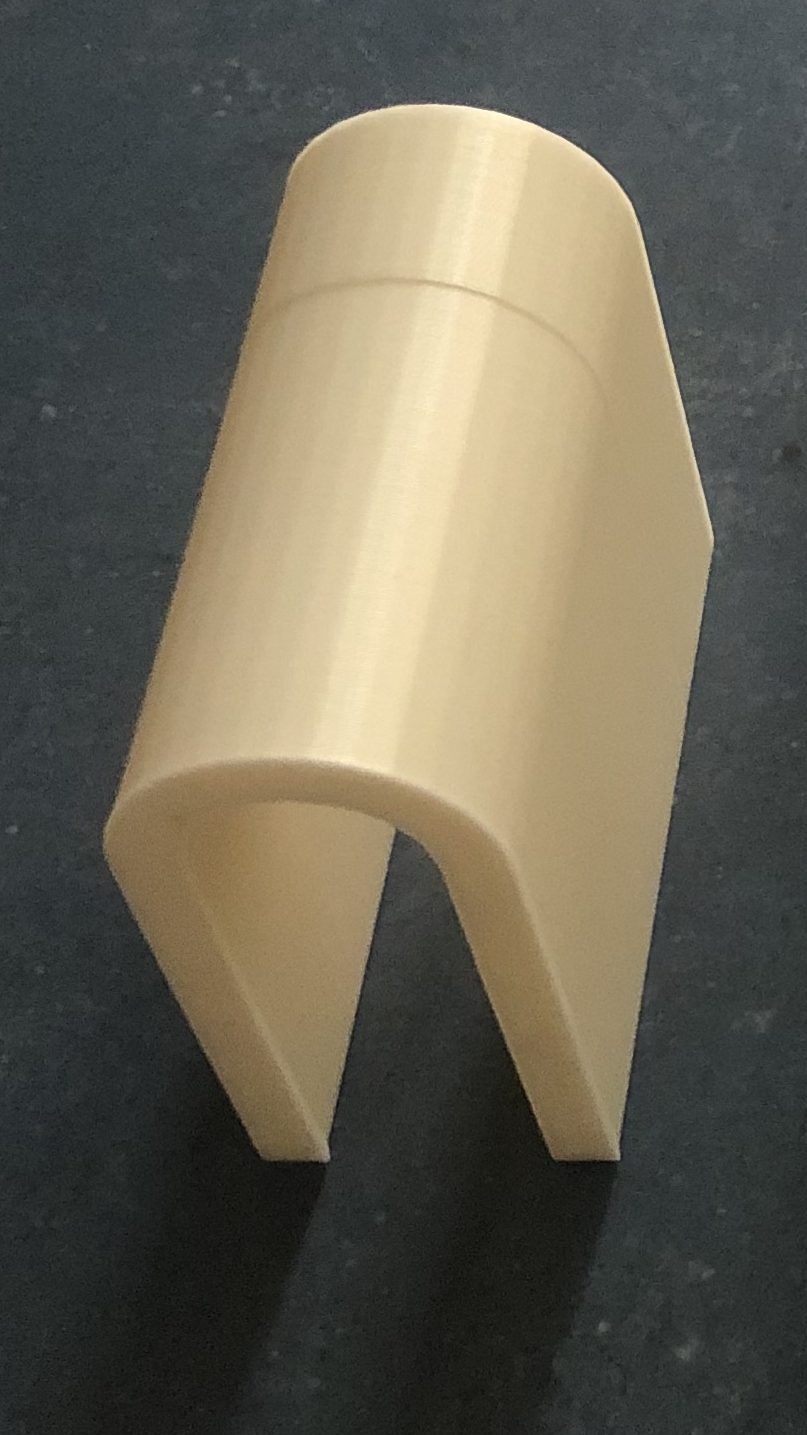
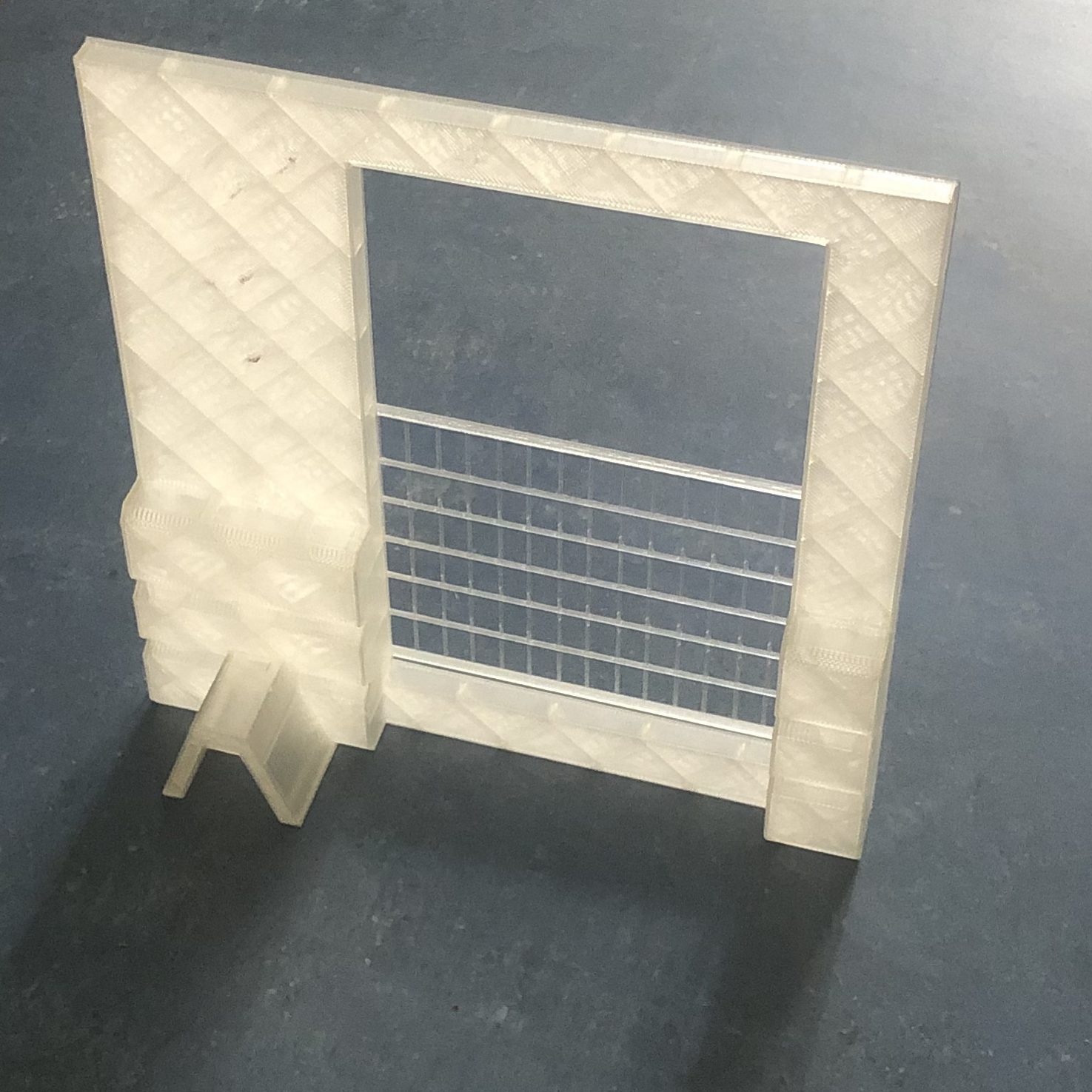
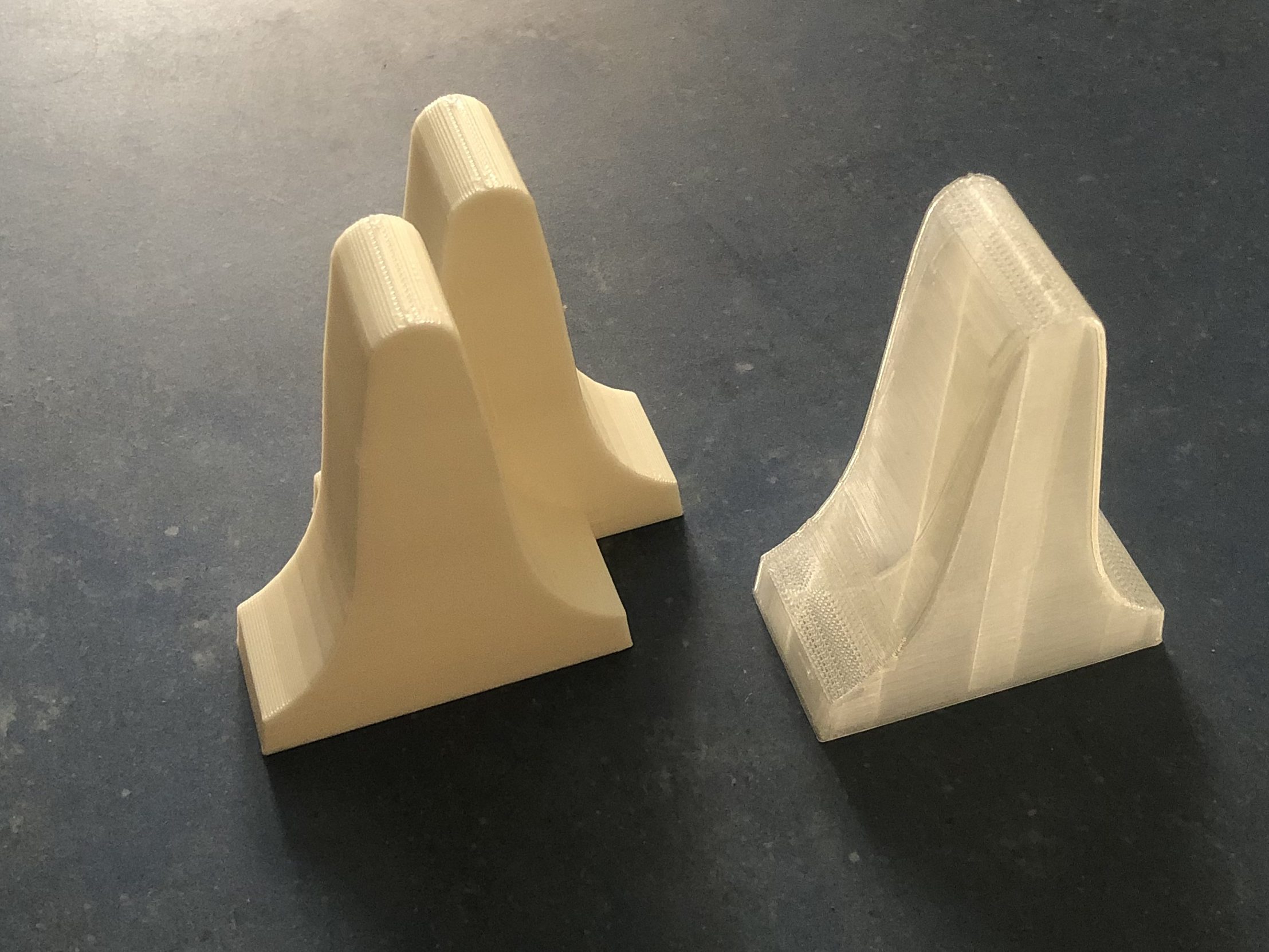
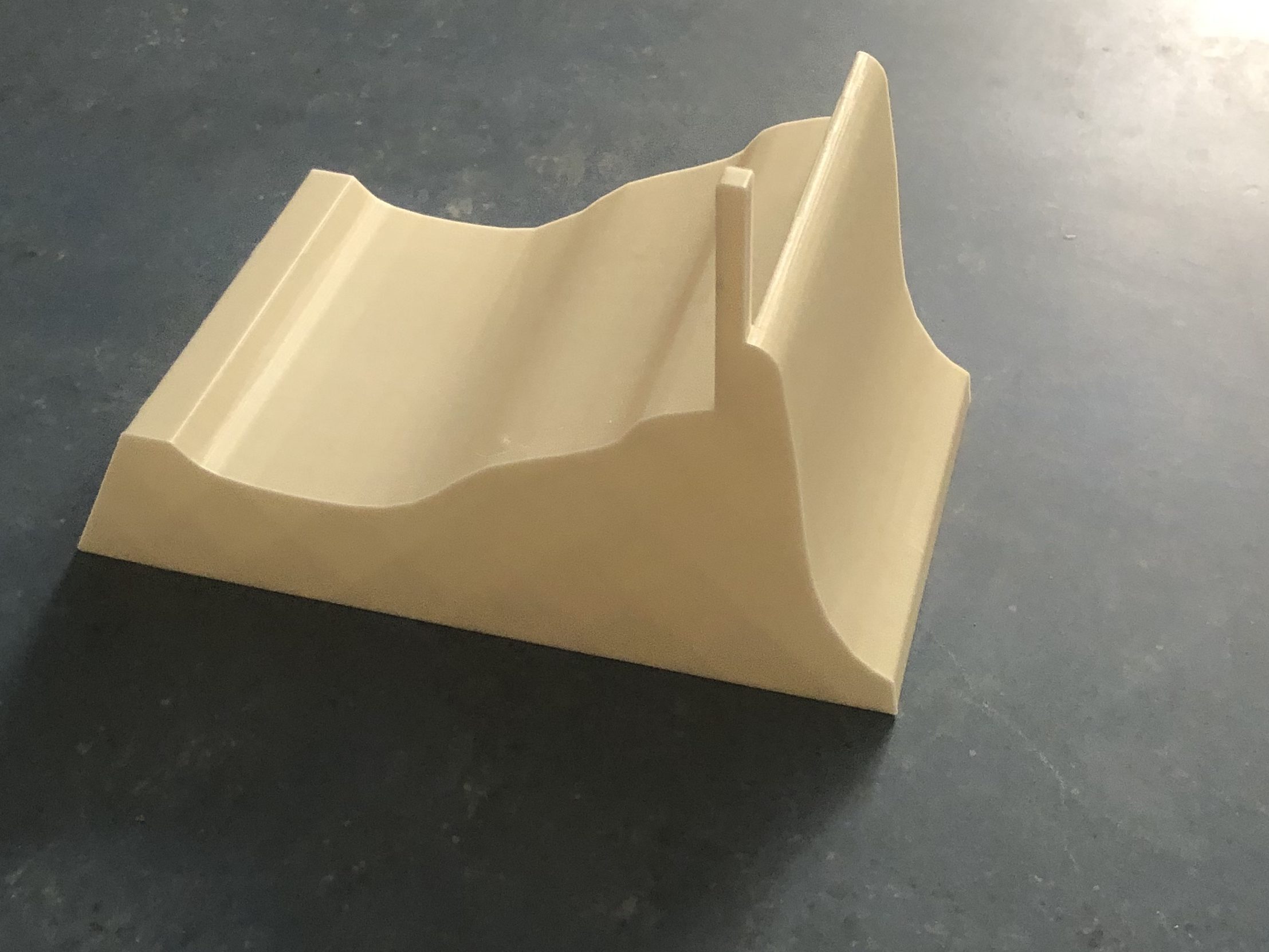
The aim of the ongoing process is to translate these documented conditions (which are currently assumed to be mainly the proportions of the objects) into collages of more abstract objects in varying materials to then be tested against reality to see how they perform. How will the setting influence the experienced potential for different users? How do the different materials communicate when expressed in these forms?






 JENNY ÖVERGAARD