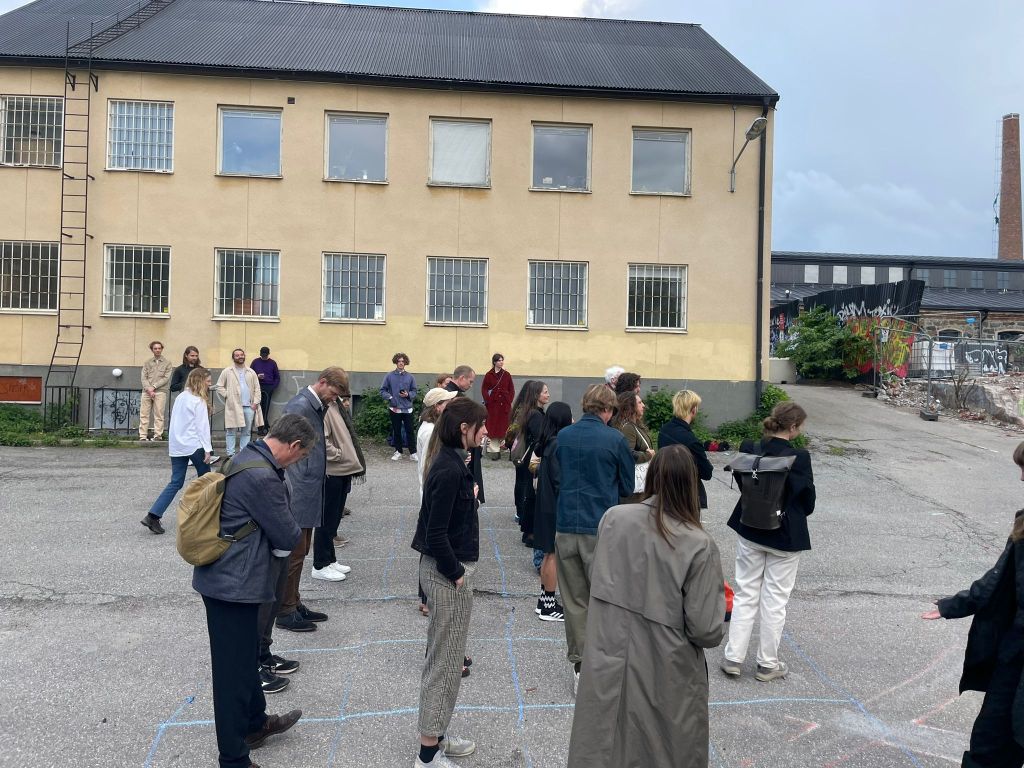
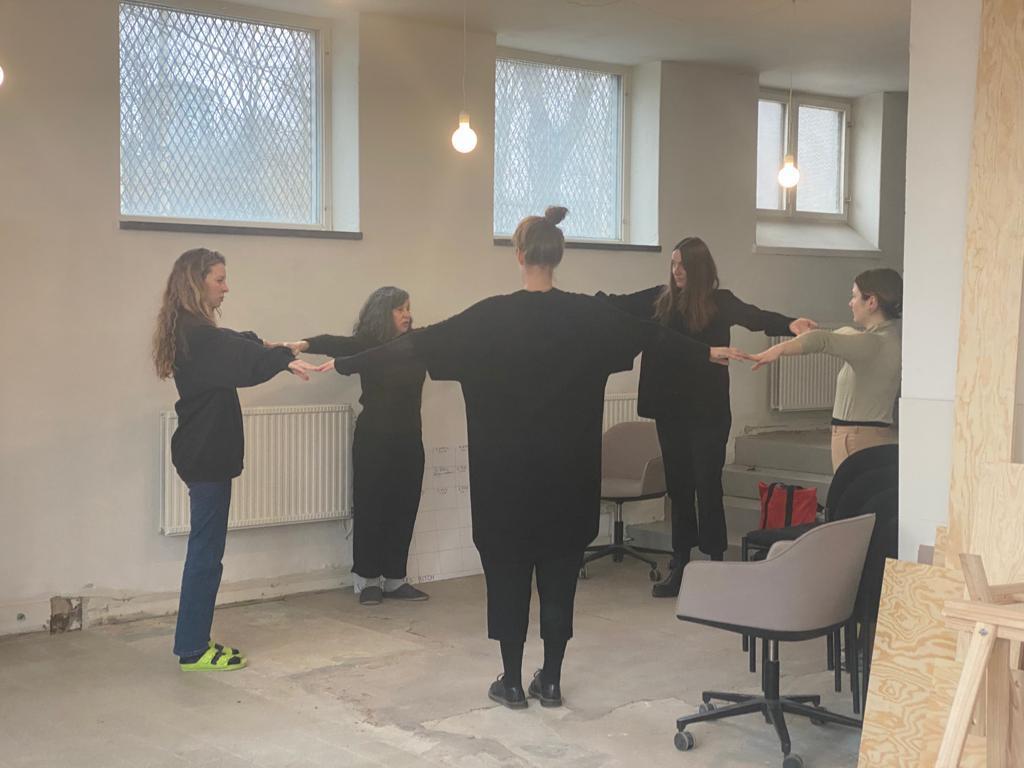
“The ramp, the score, and the sociographer”, a collaboration triggered by the ongoing process of development in an industrial area in southern Stockholm (Lövholmen) between an interdisciplinary research team that met through the Of Public Interest Lab at the Royal Institute of Art in Stockholm. Five people with five different perspectives and backgrounds – an architect, a visual artist/sculptor, a cultural producer/curator, an architect/urban planner, and a performance artist – developed formats to experiment with our bodies in public space and proposed situations in which we invited a public to consider with us how we can include and prioritize the sensations of the body in relation to space when developing urban areas. The work was based on a series of research-sessions we did as a group during weeklong meetings over a period of several months. Much of our research was done in relation to consideration of different meanings of the word “accessibility” in different situations.

Presentation of project during collaborative exhibition by OPI Lab in Gröndal, June 2022:
The ramp, the score and the sociographer is a collaboration between artists, architects, and cultural producers. With the sculptural structure of a ramp at its core and further through artistic interpretations of demography, statistics, human interaction, sensitivity, gestures and interpretability, the collaboration seeks to critically explore the way in which the future Lövholmen site will be accessible to different bodies, behaviors and economies. How can we experiment with different situations and methodologies, in which subjective relations to Lövholmen – present and future – can be created, experimented with and made public? More specifically, the collaboration manifests itself through a 5-day performance score with a sculptural intervention and a “(WIP) Lövholmen Weather Forecast” statistics workshop, deciphering and unveiling the economic rationality of current urban planning processes.
Excerpts of a presentation of “The Ramp the Score The Sociographer” for the seminar “A Thinking Practice” at Medborgarhuset Hägersten, June 2022:
How can we introduce other thoughts, other ways of thinking, to base future city on?
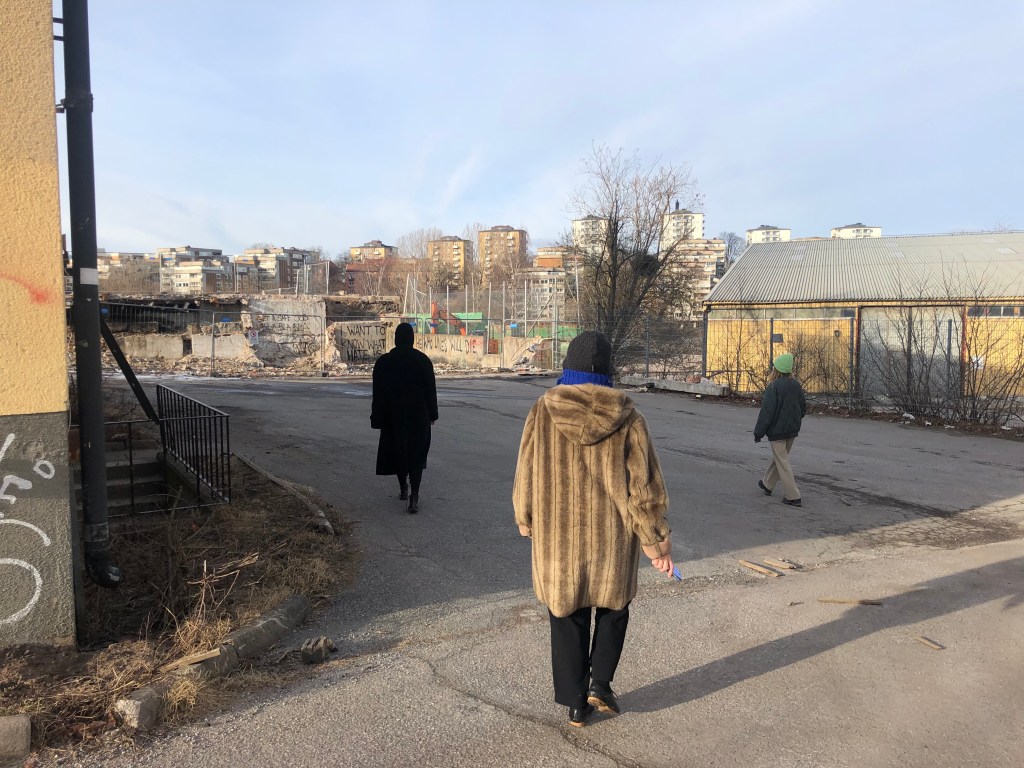
Lövholmen (Gröndal, Stockholm), is an industrial area owned by four major real estate developers that will be transformed into a residential neighborhood.
The latest available version of the structure plan for the future development of Lövholmen at the time of the project (2021-22) was made public in 2017. The plan was developed by the city of Stockholm in collaboration with the landowners, making it possible to build around 1750 new homes in Lövholmen.
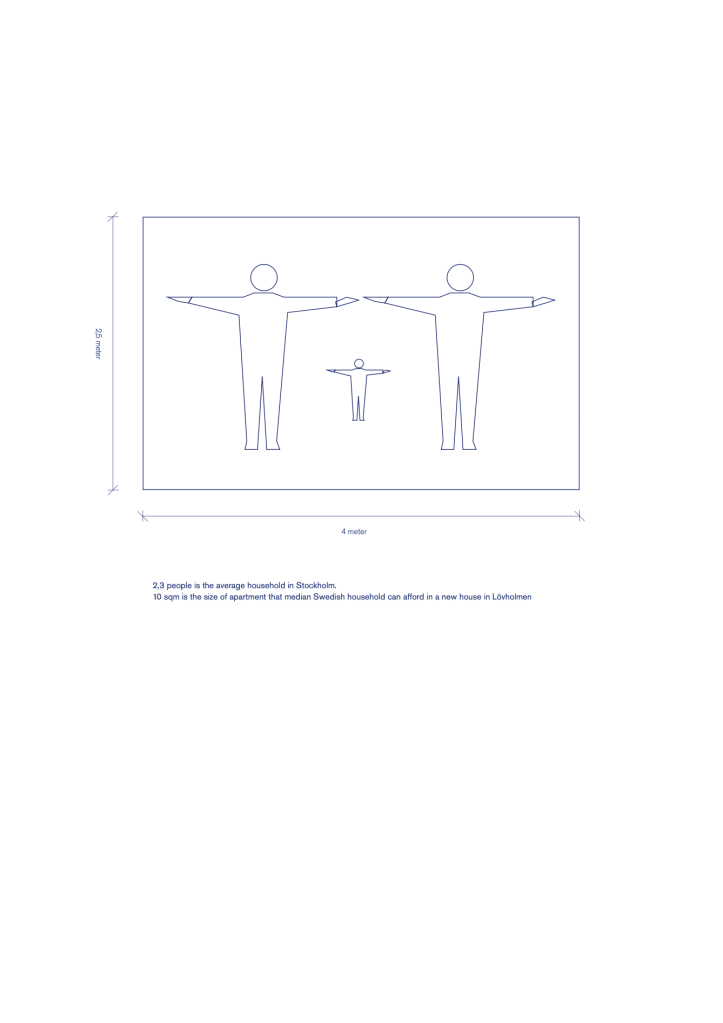
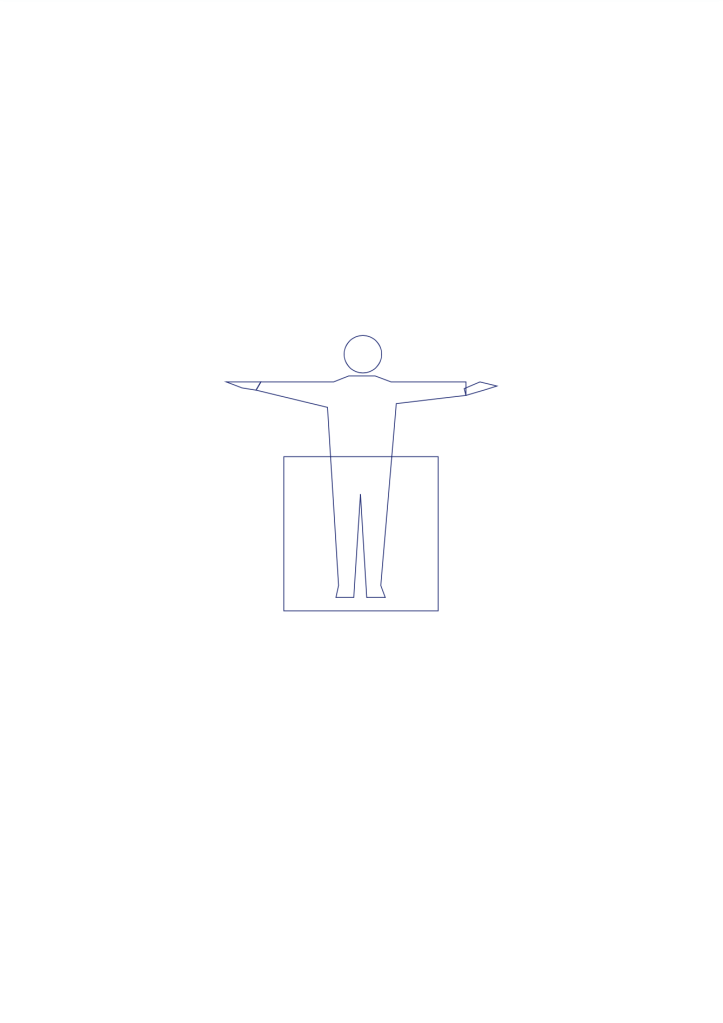
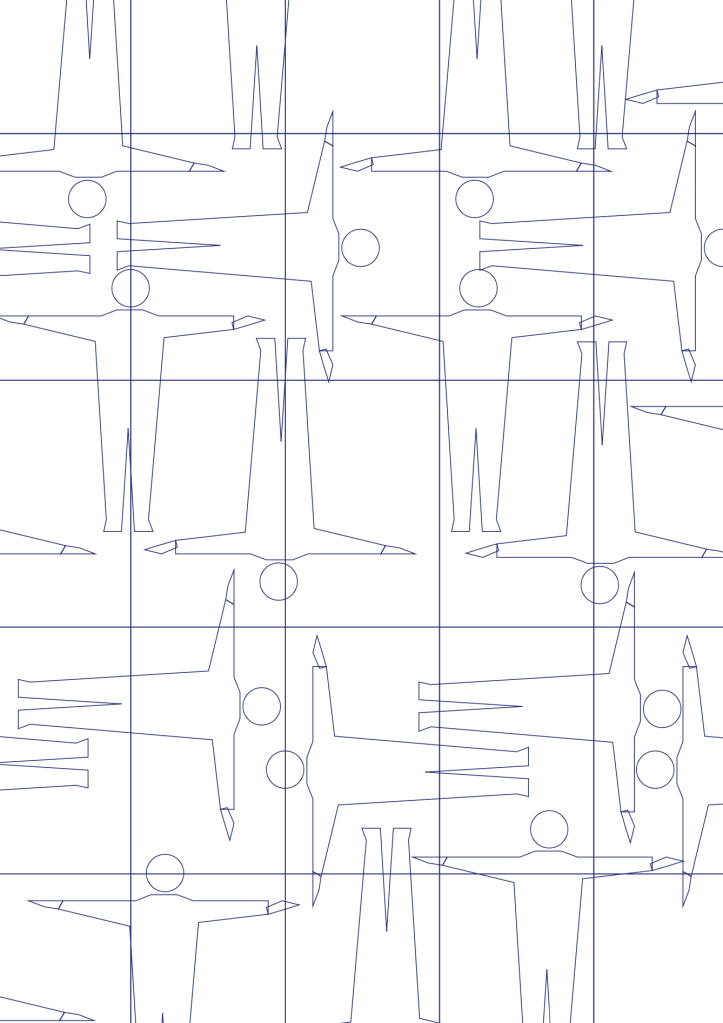
The average Stockholm household consists of 2,3 persons. This means that the 1750 new homes of Lövholmen will house about 4025 new inhabitants. Many everyday-lives in a small area puts pressure on the quality of public space.
Our team talked about the processes that lie behind urban development / densification / the making of a structure plan.
We started out by investigating how public space is available through the perspective of the body in relation to this place, Lövholmen, and questions of accessibility (in its broader sense) became a central and recurrent theme in our discussions.

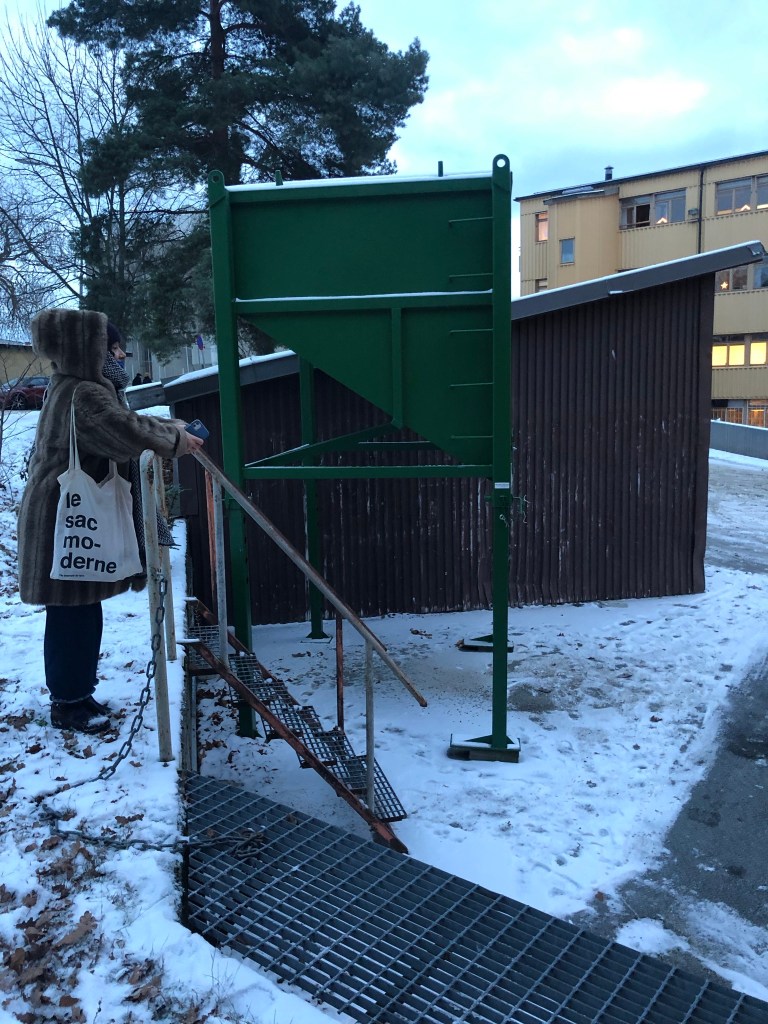
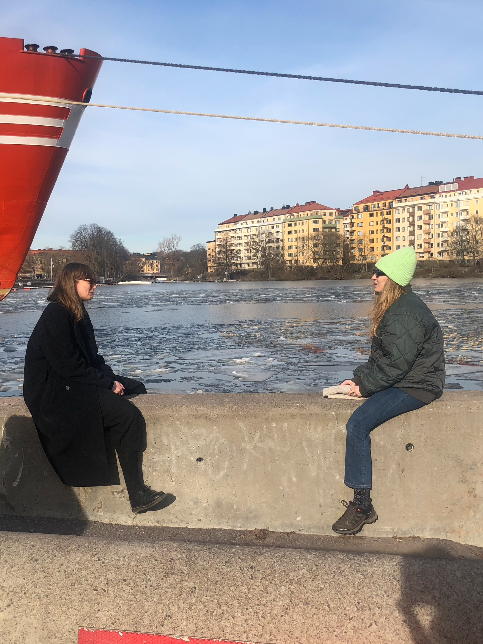
The built environment creates conditions – can be interpreted as a kind of script – which can be limiting – asks you to perform in a certain way – represents values and perspectives that are based on assumptions. But, there is also a big potential in this! Other knowledge that works from the perspective of the body could contribute to the field of urban planning.
The ramp, the score and the sociographer is the name of our process – it also works as a terminology from which our work is based:
Ramp: An architecture or object – a physical manifestation – that connotes accessibility. We used “the ramp” as a metaphor for creating access (or entry point) to something unavailable.
Score: Performance score, choreography. We looked at the structure plan as a performance score. This allowed us to develop our own situation and/or activate situations.
Sociographer: Describing our roles as activators, observers and collectors of different social patterns that we observed in Lövholmen.
The process of urban planning has, as a result of pressure to be economically efficient, a tendency to reproduce itself over and over, often based on old assumptions. We wanted to offer situations that proposed alternative starting points and perspectives that challenged the future spaces. In our prototypes we wanted to celebrate inefficiency, sensitivity, irrationality, secrets, conflict of interests, opposing desires – and investigate the potential of including these factors when structuring new spaces.
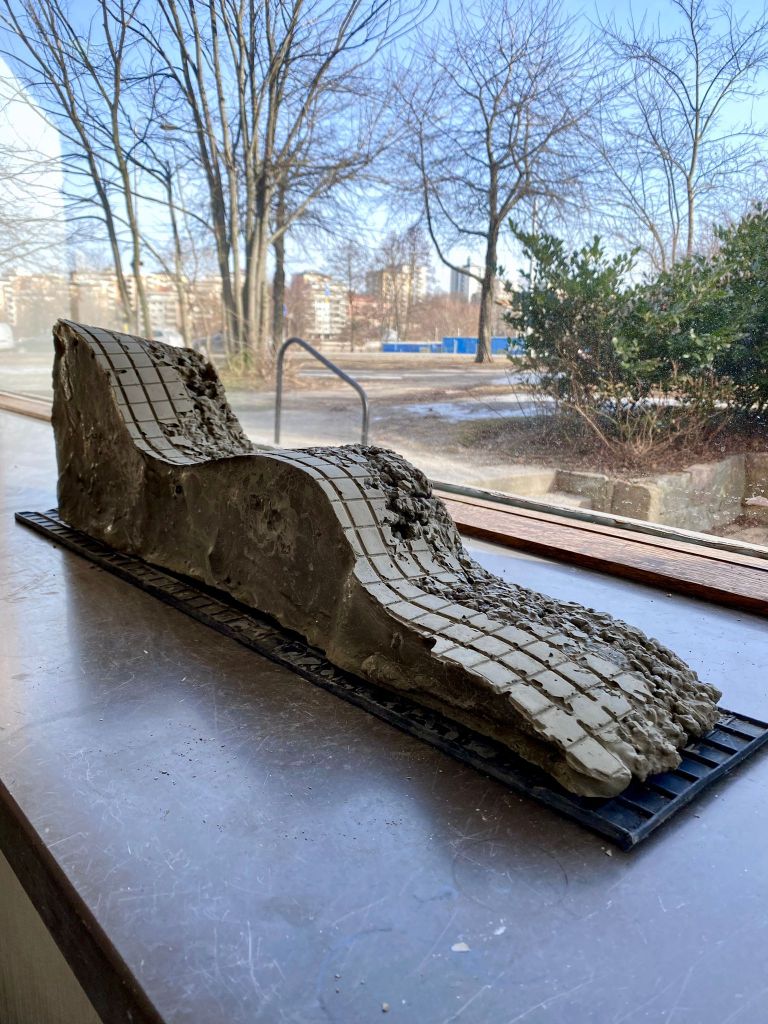
The proposition to cast a physical structure in the shape of a ramp is a spatial gesture encoded with material from the site. It is not in the normal repertoire. Its presence could introduce the thought that other structures and shapes are possible – sowing seeds for the future by what is planted now. Perhaps it would activate a latent potential of an existing situation. It disrupts and asks why not?
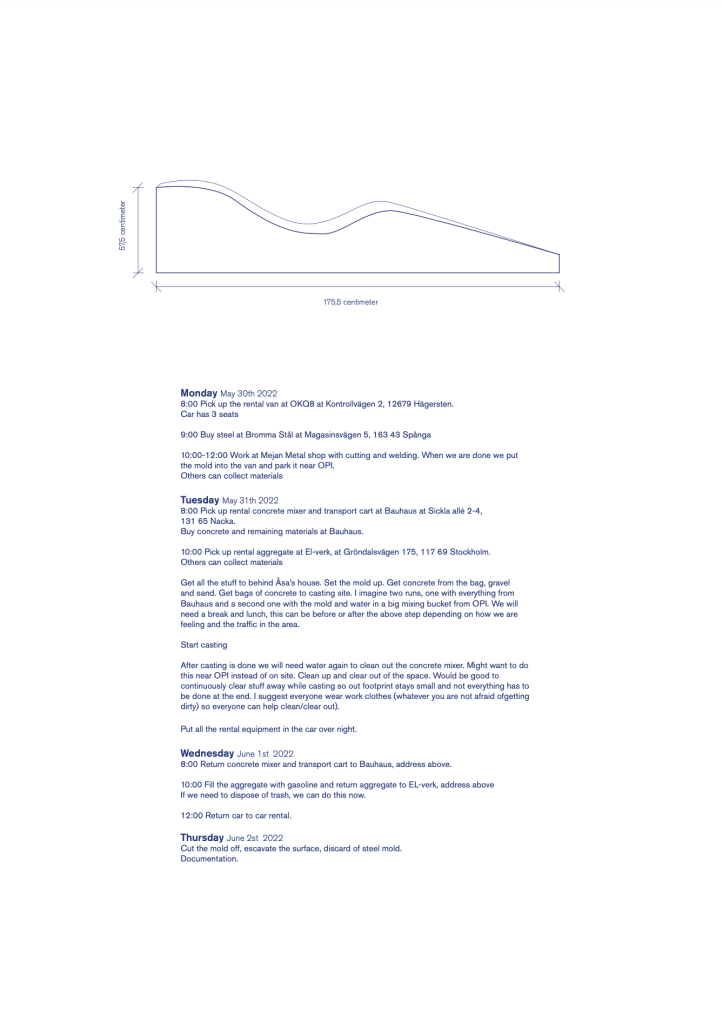
The hidden dimensions of Lövholmen was a prototype – a workshop developing a workshop. We invited locals and professionals who are working with the new structure plan. In the workshop, we experimented with the combination of statistics and demography (based on the 2017 structure plan) and bodyness (performative/performance methodologies). What is the plan actually saying – what kind of public space is it offering, and what behavior will the plan allow, how will it feel – does that matter?
Can we at least make imagining the future accessible through collective practice? Can we provide a situation, where we can think about other bases to build future visions on?
This was a way to offer a context to experience and reflect together about bodyness, presence in space, and subjective needs and wants – and how these could relate to the future the structure plan proposed.

Can we measure how much space our bodies need? The workshop was based on the spatial measurements developed in the book “The hidden dimension” from 1966 by Edward T. Hall, who was an American anthropologist and researcher. The theory he developed is based on a study of being in space together, and interaction in private and public. In the book, Hall introduces the concept of “proxemics”, which is the study of human use of space and the effects that population density has on behavior, communication, and social interaction. Of course, however, these measurements vary a lot between contexts. By now, the field of architecture and urban planning are probably in need of a new set of updated hidden dimensions – an updated proxemics concept. We invited the participants of our workshop to be actively aware of these relations, and relate to what future the plan of Lövholmen proposed subjectively.
We insist that this type of awareness, a recognition of other perspectives such as sensations and emotions, should be included in the design of our shared spaces. A shift in perspective can influence the structuring and the imaginations of space.

 JENNY ÖVERGAARD